


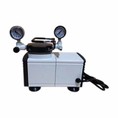
Hey there! As a supplier of vacuum filtration pumps, I often get asked about the best type of oil for oil-lubricated vacuum filtration pumps. It's a crucial question because the right oil can significantly impact the performance and lifespan of your pump. So, let's dive right in and explore the options.
First off, why is oil so important for these pumps? Well, oil in an oil-lubricated vacuum filtration pump serves multiple purposes. It lubricates the moving parts, reducing friction and wear. This means less mechanical stress on the pump components, which can lead to a longer service life. Additionally, the oil acts as a sealant, helping to maintain the vacuum by preventing air from leaking into the pump. It also helps to cool the pump by carrying away heat generated during operation.
Now, let's talk about the different types of oils that are suitable for these pumps.
Mineral Oils
Mineral oils are one of the most commonly used types of oils in vacuum filtration pumps. They're derived from crude oil and are relatively inexpensive. Mineral oils have good lubricating properties and can handle a wide range of operating temperatures. They're also readily available, which makes them a convenient choice for many users.
However, mineral oils do have some limitations. They tend to have a higher vapor pressure compared to other types of oils. This means that at higher temperatures, more of the oil can vaporize, which can reduce the vacuum quality and potentially contaminate the system. Also, mineral oils may not be as resistant to oxidation as synthetic oils, which can lead to the formation of sludge and varnish over time.
Synthetic Oils
Synthetic oils, on the other hand, are engineered in a laboratory to have specific properties. They offer several advantages over mineral oils. One of the biggest benefits is their low vapor pressure. This means that they're less likely to vaporize at high temperatures, resulting in a better vacuum quality and less contamination.
Synthetic oils also have excellent oxidation resistance. They can withstand higher temperatures without breaking down, which means they last longer and require less frequent changes. This can save you money in the long run, even though synthetic oils are generally more expensive upfront.
Another advantage of synthetic oils is their superior lubricating properties. They can provide better protection for the pump's moving parts, reducing wear and tear and extending the pump's lifespan.
Semi-Synthetic Oils
Semi-synthetic oils are a blend of mineral and synthetic oils. They offer a compromise between the cost of mineral oils and the performance of synthetic oils. Semi-synthetic oils have better oxidation resistance and lower vapor pressure than pure mineral oils, but they're not as expensive as full synthetic oils.
They're a good choice for users who want improved performance compared to mineral oils but don't want to invest in full synthetic oils. Semi-synthetic oils can provide a good balance of cost and performance for many applications.
Factors to Consider When Choosing Oil
When deciding which type of oil to use in your vacuum filtration pump, there are several factors you need to consider.
Operating Temperature: If your pump operates at high temperatures, synthetic or semi-synthetic oils are a better choice because of their low vapor pressure and high oxidation resistance. Mineral oils may not be suitable for high-temperature applications.
Vacuum Requirements: If you need a high-quality vacuum, synthetic oils are the way to go. Their low vapor pressure ensures that the vacuum remains stable and free from contamination.
Budget: Mineral oils are the most affordable option, but they may not offer the same level of performance as synthetic or semi-synthetic oils. Consider your budget and the long-term cost of oil changes when making your decision.
Pump Manufacturer's Recommendations: Always check the pump manufacturer's recommendations for the type of oil to use. They know their pumps best and can provide specific guidelines to ensure optimal performance and longevity.
Our Vacuum Filtration Pumps
At our company, we offer a range of high-quality vacuum filtration pumps, including the PS-10 Vacuum Filtration Pump and the PS-20 Vacuum Filtration Pump. These pumps are designed to provide reliable and efficient performance for a variety of applications.
When it comes to choosing the right oil for these pumps, we recommend following the manufacturer's guidelines. In general, for most applications, a high-quality synthetic or semi-synthetic oil is a great choice. It will help to ensure that your pump operates at its best and lasts for many years to come.
Conclusion
Choosing the right type of oil for your oil-lubricated vacuum filtration pump is crucial for its performance and longevity. Mineral oils are a cost-effective option but may not be suitable for high-temperature applications or when a high-quality vacuum is required. Synthetic oils offer superior performance but come at a higher cost. Semi-synthetic oils provide a good balance of cost and performance.


If you have any questions about which oil is best for your specific pump or application, don't hesitate to reach out. We're here to help you make the right choice and ensure that your vacuum filtration pump operates at its peak. Whether you're a small laboratory or a large industrial facility, we have the expertise and products to meet your needs. Contact us today to discuss your requirements and start the procurement process. We look forward to working with you!
References
- “Vacuum Pump Oils: Types and Selection Criteria.” Vacuum Technology World.
- “Understanding the Role of Oil in Vacuum Pumps.” Industrial Vacuum Solutions.