


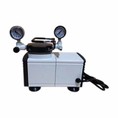
As a supplier of vacuum filtration pumps, I understand the importance of proper storage conditions to ensure the longevity and optimal performance of these essential laboratory and industrial tools. In this blog post, I'll delve into the key factors that contribute to suitable storage for vacuum filtration pumps, drawing on industry knowledge and best practices.
Temperature Considerations
Temperature plays a crucial role in the storage of vacuum filtration pumps. Extreme temperatures can have detrimental effects on the pump's components, leading to premature wear and reduced efficiency.
Ideal Temperature Range
Most vacuum filtration pumps are designed to operate and be stored within a specific temperature range. Generally, a temperature between 10°C to 30°C (50°F to 86°F) is considered ideal. This range helps to maintain the integrity of the pump's seals, gaskets, and lubricants. At temperatures below this range, the lubricants can become too viscous, which may cause the pump to work harder and potentially lead to mechanical failures. On the other hand, high temperatures can cause the seals to expand and lose their effectiveness, leading to leaks and reduced vacuum performance.
Avoiding Temperature Fluctuations
In addition to maintaining the appropriate temperature range, it's also important to avoid rapid temperature fluctuations. Sudden changes in temperature can cause thermal stress on the pump's components, leading to cracks and other damage. For example, if a pump is stored in a cold environment and then suddenly moved to a warm one, the different rates of expansion of the various materials can cause internal stresses. To prevent this, it's advisable to store the pump in a location with stable temperature conditions, such as a climate - controlled storage room.
Humidity and Moisture
Humidity and moisture are other critical factors that can affect the storage of vacuum filtration pumps. Excessive moisture can lead to corrosion, rust, and electrical problems.


Recommended Humidity Levels
The ideal relative humidity for storing vacuum filtration pumps is between 30% and 60%. At humidity levels below 30%, the air can be too dry, which may cause the rubber seals and gaskets to dry out and crack. Conversely, humidity levels above 60% can create a conducive environment for the growth of mold and mildew, and also increase the risk of corrosion on metal parts.
Protecting Against Moisture
To protect the pump from moisture, it's important to store it in a dry location. If the storage area is prone to high humidity, using a dehumidifier can be an effective solution. Additionally, the pump should be stored in a sealed container or wrapped in a moisture - resistant material. For example, you can use a plastic cover or a desiccant - filled bag to absorb any excess moisture.
Cleanliness and Dust
A clean storage environment is essential for the proper storage of vacuum filtration pumps. Dust and debris can accumulate on the pump's components, causing abrasion, clogging, and electrical short - circuits.
Keeping the Storage Area Clean
The storage area should be regularly cleaned to remove dust and other contaminants. This includes sweeping the floors, wiping down shelves, and using air filters if necessary. It's also a good idea to keep the pump covered when not in use to prevent dust from settling on it.
Cleaning the Pump Before Storage
Before storing the pump, it should be thoroughly cleaned. This involves removing any residual chemicals, liquids, or debris from the pump's interior and exterior. Use a soft cloth and a mild cleaning solution to clean the surfaces. Make sure to dry the pump completely before storage to prevent the growth of mold and mildew.
Ventilation
Proper ventilation is necessary to ensure the safe storage of vacuum filtration pumps. Ventilation helps to remove any potentially harmful fumes or gases that may be emitted by the pump or its associated chemicals.
Adequate Air Circulation
The storage area should have adequate air circulation to prevent the buildup of fumes. This can be achieved by installing vents or fans in the storage room. Good ventilation also helps to maintain a stable temperature and humidity level in the storage area.
Avoiding Enclosed Spaces
It's important to avoid storing the pump in an enclosed space without proper ventilation. Enclosed spaces can trap fumes and heat, which can be dangerous and can also damage the pump. For example, storing the pump in a sealed cabinet without ventilation can cause the temperature inside to rise, potentially leading to overheating and damage to the pump's components.
Storage Position
The position in which the vacuum filtration pump is stored can also affect its performance and longevity.
Upright Storage
In most cases, it's recommended to store the pump in an upright position. This helps to ensure that the lubricants are distributed evenly throughout the pump's components and prevents any potential leakage. Storing the pump on its side or upside down can cause the lubricants to pool in one area, leading to uneven wear and reduced performance.
Specific Considerations for Different Models
Different models of vacuum filtration pumps may have specific storage requirements. For example, the PS - 10 Vacuum Filtration Pump and the PS - 20 Vacuum Filtration Pump may have unique features or materials that require special attention during storage.
Consult the Manufacturer's Manual
It's always a good idea to consult the manufacturer's manual for specific storage instructions for each model. The manual will provide detailed information on temperature, humidity, and other storage requirements that are specific to the pump.
Conclusion
Proper storage conditions are essential for maintaining the performance and longevity of vacuum filtration pumps. By considering factors such as temperature, humidity, cleanliness, ventilation, and storage position, you can ensure that your pump remains in good working condition for years to come.
If you're in the market for a high - quality vacuum filtration pump or have any questions about storage or operation, I encourage you to reach out to us. Our team of experts is ready to assist you in finding the right pump for your needs and providing you with the support and guidance you require. Whether you're a laboratory researcher, an industrial engineer, or involved in any other field that requires vacuum filtration, we can offer the solutions you need.
References
- "Handbook of Vacuum Technology", Edited by Peter K. Baumann, Wiley - VCH, 2005.
- Manufacturer's manuals for vacuum filtration pumps.