


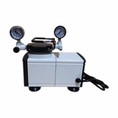
What is the flow rate of a disc membrane filter?
As a supplier of Disc Membrane Filters, I often receive inquiries about the flow rate of these essential filtration tools. Understanding the flow rate of a disc membrane filter is crucial for various applications, from laboratory research to industrial processes. In this blog post, we will delve into the concept of flow rate, factors that influence it, and how to optimize it for your specific needs.
Defining Flow Rate
The flow rate of a disc membrane filter refers to the volume of fluid that can pass through the filter per unit of time. It is typically measured in milliliters per minute (mL/min) or liters per hour (L/h). The flow rate is a critical parameter as it determines the efficiency and productivity of the filtration process. A higher flow rate means that more fluid can be filtered in a shorter period, which is often desirable in high-throughput applications.
Factors Influencing Flow Rate
Several factors can affect the flow rate of a disc membrane filter. Understanding these factors is essential for selecting the right filter and optimizing the filtration process.
- Pore Size: The pore size of the membrane is one of the most significant factors influencing flow rate. Smaller pore sizes generally result in lower flow rates because they offer more resistance to the passage of fluid. For example, a filter with a pore size of 0.2 µm will have a lower flow rate than a filter with a pore size of 0.45 µm. However, smaller pore sizes are often necessary for applications that require the removal of smaller particles or microorganisms.
- Membrane Material: Different membrane materials have different physical and chemical properties, which can affect the flow rate. For instance, MCE Membrane Filter are known for their high flow rates and excellent chemical compatibility. On the other hand, some materials may be more hydrophobic or hydrophilic, which can also impact the flow of fluid through the membrane.
- Pressure Differential: The pressure differential across the filter is another crucial factor. A higher pressure differential will generally result in a higher flow rate, as it provides more force to push the fluid through the membrane. However, there is a limit to the pressure that can be applied, as excessive pressure can damage the membrane or cause it to rupture.
- Viscosity of the Fluid: The viscosity of the fluid being filtered also plays a role in the flow rate. More viscous fluids, such as oils or syrups, will have a lower flow rate than less viscous fluids, such as water. This is because viscous fluids offer more resistance to flow.
- Filter Area: The larger the surface area of the filter, the higher the flow rate. A larger filter area provides more channels for the fluid to pass through, reducing the resistance and allowing more fluid to flow per unit of time.
Measuring Flow Rate
There are several methods for measuring the flow rate of a disc membrane filter. One common method is to use a flow meter, which can directly measure the volume of fluid passing through the filter over a specific period. Another method is to collect the filtrate in a graduated cylinder and measure the volume at regular intervals.
When measuring the flow rate, it is important to ensure that the filtration system is operating under stable conditions. This includes maintaining a constant pressure differential, temperature, and fluid viscosity. Any changes in these parameters can affect the flow rate and lead to inaccurate measurements.
Optimizing Flow Rate
To optimize the flow rate of a disc membrane filter, several strategies can be employed.
- Select the Right Filter: Choosing a filter with an appropriate pore size and membrane material is essential. Consider the nature of the fluid being filtered and the specific requirements of your application. For example, if you need to remove bacteria, a filter with a pore size of 0.2 µm or smaller may be necessary. However, if you are filtering a relatively clean fluid, a larger pore size filter may provide a higher flow rate.
- Adjust the Pressure: Increasing the pressure differential across the filter can increase the flow rate. However, it is important to stay within the recommended pressure limits of the filter to avoid damage. You can use a pressure regulator to control the pressure and ensure a stable flow rate.
- Pre - filter the Fluid: If the fluid contains a large amount of particulate matter, pre - filtering can help to reduce the load on the disc membrane filter. This can prevent clogging and maintain a higher flow rate over time. You can use a pre - filter with a larger pore size to remove the larger particles before the fluid reaches the disc membrane filter.
- Increase the Filter Area: Using a filter with a larger surface area can significantly increase the flow rate. If possible, choose a filter with a larger diameter or use multiple filters in parallel to increase the overall filter area.
Applications and Flow Rate Requirements
The flow rate requirements vary depending on the application.


- Laboratory Research: In laboratory settings, such as cell culture or sample preparation, the flow rate requirements may not be as high as in industrial applications. However, accuracy and reproducibility are often crucial. For example, when filtering small volumes of cell culture media, a filter with a relatively low flow rate may be sufficient as long as it can effectively remove contaminants without damaging the cells.
- Industrial Filtration: In industrial processes, such as water treatment or pharmaceutical manufacturing, high flow rates are often required to meet production demands. For example, in a large - scale water treatment plant, disc membrane filters need to be able to handle a high volume of water per unit of time to ensure efficient operation.
As a supplier of Disc Memebrane Filter, we understand the importance of flow rate in different applications. We offer a wide range of disc membrane filters with various pore sizes, membrane materials, and filter areas to meet the diverse needs of our customers. Whether you are working in a laboratory or an industrial setting, we can help you select the right filter to achieve the optimal flow rate for your application.
If you are interested in learning more about our disc membrane filters or have specific requirements regarding flow rate, please do not hesitate to contact us. Our team of experts is ready to assist you in choosing the best filtration solution for your needs. We can also provide technical support and guidance on optimizing the flow rate of your filtration system.
In addition to disc membrane filters, we also offer CN Membrane Filter which have their own unique properties and applications. These filters can be a great option depending on your specific requirements.
We look forward to the opportunity to work with you and help you achieve efficient and effective filtration in your processes. Contact us today to start the conversation about your filtration needs and explore how our products can meet them.
References
- "Membrane Filtration Technology: Principles and Applications" by R. Bowen and A. Mohammad.
- "Filtration Handbook" by P. K. Swamee and A. K. Sharma.