


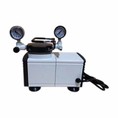
As a supplier of Oil-free Vacuum Pumps, I often encounter customers who are unsure about the proper cleaning methods for these essential pieces of equipment. In this blog, I'll share some scientific and practical cleaning methods suitable for oil-free vacuum pumps.
Understanding the Basics of Oil-free Vacuum Pumps
Before diving into the cleaning methods, it's important to understand what an oil-free vacuum pump is. An Oil-free Vacuum Pump operates without the need for lubricating oil in the pumping chamber. This design eliminates the risk of oil contamination in the vacuum system, making it ideal for applications where a clean vacuum is required, such as in the pharmaceutical, food, and electronics industries.
Regular Cleaning for Optimal Performance
Regular cleaning is crucial to maintain the performance and longevity of an oil-free vacuum pump. Here are some general cleaning steps that can be performed on a routine basis:
External Cleaning
- Dust and Debris Removal: Use a soft, dry cloth to wipe the exterior of the pump regularly. This helps to prevent the accumulation of dust and debris, which can obstruct ventilation and cause the pump to overheat.
- Surface Disinfection: For applications in cleanroom environments or where hygiene is a concern, you can use a mild disinfectant solution to clean the exterior surfaces. Make sure to follow the manufacturer's instructions and avoid getting the solution inside the pump.
Internal Cleaning
- Air Intake Filter Cleaning: The air intake filter is responsible for preventing dust and particles from entering the pump. Check the filter regularly and clean or replace it as needed. Most air intake filters can be cleaned by gently tapping them to remove loose debris or by using compressed air to blow out the dust.
- Exhaust Filter Cleaning: Similar to the air intake filter, the exhaust filter also needs to be cleaned regularly. A clogged exhaust filter can reduce the pump's efficiency and cause it to overwork. Follow the manufacturer's instructions for cleaning or replacing the exhaust filter.
Deep Cleaning Procedures
In addition to regular cleaning, deep cleaning may be required periodically, especially if the pump has been used in a particularly dirty or harsh environment. Here are some steps for deep cleaning an oil-free vacuum pump:
Disassembly
- Prepare the Workspace: Before disassembling the pump, make sure you have a clean and organized workspace. Gather all the necessary tools and materials, such as screwdrivers, wrenches, and cleaning agents.
- Follow the Manual: Refer to the pump's user manual for detailed disassembly instructions. Different models may have different disassembly procedures, so it's important to follow the manufacturer's guidelines carefully.
- Label and Store Parts: As you disassemble the pump, label each part and store them in a safe place. This will make it easier to reassemble the pump correctly later.
Cleaning the Components
- Ultrasonic Cleaning: For small and intricate parts, ultrasonic cleaning can be an effective method. Ultrasonic cleaners use high-frequency sound waves to create tiny bubbles in a cleaning solution, which can remove dirt and contaminants from the surface of the parts. Make sure to use a cleaning solution that is compatible with the pump's materials.
- Chemical Cleaning: Some parts may require chemical cleaning to remove stubborn dirt and contaminants. Use a cleaning agent that is specifically designed for the pump's materials and follow the manufacturer's instructions carefully. Avoid using abrasive or corrosive chemicals, as they can damage the pump.
- Rinsing and Drying: After cleaning the parts, rinse them thoroughly with clean water to remove any remaining cleaning agent. Then, dry the parts completely using a clean, dry cloth or by allowing them to air dry.
Reassembly
- Inspect the Parts: Before reassembling the pump, inspect each part for any signs of damage or wear. Replace any damaged or worn parts as needed.
- Follow the Manual: Refer to the pump's user manual for detailed reassembly instructions. Make sure to install each part in the correct position and tighten all the screws and bolts to the recommended torque.
- Lubrication: Some parts of the pump may require lubrication during reassembly. Use a lubricant that is specifically designed for the pump's materials and follow the manufacturer's instructions carefully.
Cleaning for Specific Applications
In addition to the general cleaning methods mentioned above, there are some specific cleaning requirements for oil-free vacuum pumps used in different applications. Here are some examples:
Pharmaceutical Applications
- Sterilization: In pharmaceutical applications, oil-free vacuum pumps may need to be sterilized to prevent contamination. Steam sterilization or chemical sterilization methods can be used, depending on the pump's design and materials. Make sure to follow the manufacturer's instructions and any relevant regulations for sterilization.
- Validation: After cleaning and sterilization, the pump may need to be validated to ensure that it meets the required cleanliness and performance standards. This may involve testing the pump's vacuum performance, leakage rate, and microbiological contamination levels.
Food and Beverage Applications
- Hygiene: In food and beverage applications, oil-free vacuum pumps need to be cleaned and sanitized regularly to prevent the growth of bacteria and other microorganisms. Use a food-grade cleaning agent and follow the manufacturer's instructions for cleaning and sanitizing the pump.
- Material Compatibility: Make sure that all the materials used in the pump, including the seals, gaskets, and tubing, are compatible with food and beverage products. This will help to prevent any contamination or chemical reactions.
Electronics Applications
- Static Electricity: In electronics applications, oil-free vacuum pumps need to be cleaned and maintained to prevent the buildup of static electricity. Use an antistatic cleaning agent and follow the manufacturer's instructions for cleaning the pump.
- Particle Contamination: Electronics applications require a clean environment, so it's important to prevent particle contamination from the pump. Make sure to use a high-quality air intake filter and keep the pump in a clean and dust-free area.
Conclusion
Proper cleaning and maintenance are essential for the performance and longevity of oil-free vacuum pumps. By following the cleaning methods and procedures outlined in this blog, you can ensure that your pump operates efficiently and reliably for many years to come.
If you have any questions about the cleaning methods for oil-free vacuum pumps or if you're interested in purchasing an Oil-free Vacuum Pump or a Microbial Limit Test Holder, please don't hesitate to contact us. We're here to help you find the right solution for your needs.


References
- Manufacturer's user manuals for oil-free vacuum pumps
- Industry standards and regulations for vacuum pump cleaning and maintenance
- Scientific literature on vacuum pump technology and cleaning methods