


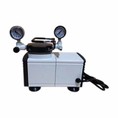
A vacuum filtration system is a crucial piece of equipment in various industries, including chemistry, biology, and environmental science. As a supplier of vacuum filtration systems, I've encountered numerous cases where these systems malfunction. Understanding the root causes of these malfunctions is essential for ensuring smooth operations and minimizing downtime. In this blog post, I'll explore the common factors that can lead to a vacuum filtration system malfunction.
1. Blockages in the Filtration System
One of the most prevalent issues that can cause a vacuum filtration system to malfunction is blockages. Blockages can occur at different points in the system, such as the filter media, tubing, or the collection flask.
- Filter Media Blockage: The filter media is designed to trap solid particles while allowing the liquid to pass through. Over time, these particles can accumulate on the filter surface, forming a thick layer that restricts the flow of the liquid. This can significantly reduce the filtration efficiency and eventually lead to a complete blockage. For example, in a Glass Six Branches Vacuum Filtration System, if the filter media in one of the branches gets clogged, it can affect the overall performance of the system.
- Tubing Blockage: The tubing that connects the different components of the vacuum filtration system can also get blocked. This can happen due to the presence of debris, solid particles, or even the growth of microorganisms. A blocked tubing can disrupt the flow of the liquid and the vacuum, causing the system to malfunction.
- Collection Flask Blockage: The collection flask is where the filtered liquid is collected. If the collection flask is not emptied regularly, it can fill up and cause a blockage. This can prevent the liquid from flowing through the system and lead to a build - up of pressure, which can damage the system.
2. Vacuum Source Issues
The vacuum source is responsible for creating the pressure difference that drives the filtration process. Any problems with the vacuum source can lead to a malfunction of the entire system.


- Insufficient Vacuum Pressure: If the vacuum pump is not generating enough pressure, the filtration process will be slow or may not occur at all. This can be due to a variety of reasons, such as a worn - out vacuum pump, a leak in the vacuum system, or improper settings. For instance, in a Stainless Steel One Branch Vacuum Filtration System, an insufficient vacuum pressure can prevent the liquid from passing through the filter media effectively.
- Vacuum Leaks: Leaks in the vacuum system can cause a loss of pressure, reducing the efficiency of the filtration process. Leaks can occur at the connections between the tubing, the filter holder, or the vacuum pump. Detecting and fixing these leaks is crucial for maintaining the proper functioning of the system.
- Malfunctioning Vacuum Pump: The vacuum pump itself can malfunction due to mechanical issues, electrical problems, or lack of maintenance. A faulty vacuum pump may not be able to generate the required vacuum pressure, leading to a system failure.
3. Seal and Gasket Problems
Seals and gaskets play a vital role in maintaining the integrity of the vacuum filtration system. They prevent leaks and ensure that the vacuum is properly maintained.
- Worn - out Seals and Gaskets: Over time, seals and gaskets can wear out due to continuous use, exposure to chemicals, or high temperatures. A worn - out seal or gasket can cause leaks, which can lead to a loss of vacuum pressure and a malfunction of the system. For example, in a Glass One Branch Vacuum Filtration System, a damaged gasket in the filter holder can allow air to enter the system, reducing the efficiency of the filtration.
- Improper Installation: If the seals and gaskets are not installed correctly, they may not provide a proper seal. This can result in leaks and a decrease in the performance of the system. It is essential to follow the manufacturer's instructions when installing seals and gaskets to ensure a proper fit.
4. Chemical Compatibility Issues
The materials used in the vacuum filtration system must be compatible with the chemicals being filtered. If there is a chemical incompatibility, it can lead to damage to the system components and a malfunction.
- Corrosion: Certain chemicals can corrode the materials of the filtration system, such as the glass, stainless steel, or plastic components. Corrosion can weaken the structure of the components, causing leaks, cracks, or even a complete failure of the system. For example, if a strong acid is filtered through a system that is not designed to withstand acidic conditions, it can corrode the tubing and the filter holder.
- Swelling or Deformation: Some chemicals can cause the materials of the system to swell or deform. This can affect the fit of the components and lead to leaks or a loss of vacuum pressure.
5. Improper Maintenance
Regular maintenance is essential for the proper functioning of a vacuum filtration system. Lack of maintenance can lead to a variety of problems.
- Lack of Cleaning: If the system is not cleaned regularly, it can accumulate dirt, debris, and chemical residues. This can lead to blockages, corrosion, and a decrease in the performance of the system.
- Failure to Replace Parts: Over time, certain parts of the system, such as the filter media, seals, and gaskets, will need to be replaced. Failure to replace these parts can lead to a malfunction of the system.
Conclusion
A vacuum filtration system can malfunction due to a variety of reasons, including blockages, vacuum source issues, seal and gasket problems, chemical compatibility issues, and improper maintenance. As a supplier of vacuum filtration systems, I understand the importance of ensuring that these systems operate smoothly. By being aware of these potential problems and taking proactive measures to prevent them, users can minimize the risk of system malfunctions and ensure the long - term performance of their vacuum filtration systems.
If you are experiencing issues with your vacuum filtration system or are interested in purchasing a new one, please feel free to reach out for a consultation. Our team of experts can provide you with the necessary guidance and support to meet your filtration needs.
References
- "Handbook of Filtration Technology" by Peter A. Schweitzer
- "Filtration and Separation" journal articles on vacuum filtration system performance and troubleshooting.