


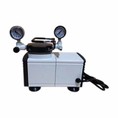
When it comes to laboratory work, vacuum filtration is a common and essential technique used for separating solids from liquids. A vacuum filtration pump plays a crucial role in this process by creating the necessary vacuum to drive the filtration. In many laboratory settings, there is a need to connect a single vacuum filtration pump to multiple filtration devices to increase efficiency and productivity. However, there are several requirements and considerations to ensure a successful connection. As a vacuum filtration pump supplier, I'd like to share some insights on this topic.
1. Pump Capacity and Performance
The first and most important requirement is to ensure that the vacuum filtration pump has sufficient capacity to handle multiple filtration devices. The pump's capacity is typically measured in terms of its flow rate and ultimate vacuum level. The flow rate determines how quickly the pump can remove air from the filtration system, while the ultimate vacuum level indicates the maximum vacuum that the pump can achieve.
When connecting multiple filtration devices, the total air volume that needs to be removed increases. Therefore, the pump should have a high enough flow rate to maintain an adequate vacuum across all the devices. For example, if you have three filtration devices running simultaneously, each with a certain air leakage rate, the pump must be able to compensate for the combined air intake.
Our PS - 10 Vacuum Filtration Pump is a great option for small - scale setups with a few filtration devices. It offers a reliable flow rate and can achieve a decent vacuum level. For larger setups with more filtration devices, our PS - 20 Vacuum Filtration Pump provides a higher flow rate and better performance, ensuring stable operation even when multiple devices are connected.


2. Manifold System
A manifold system is essential for connecting a single vacuum filtration pump to multiple filtration devices. The manifold acts as a distribution center, allowing the vacuum from the pump to be evenly distributed among the different devices.
The manifold should be made of high - quality materials that can withstand the vacuum pressure without leaking. It should have multiple ports, each with a valve to control the flow of vacuum to individual filtration devices. This allows you to start and stop the filtration process for each device independently.
When selecting a manifold, consider the number of filtration devices you plan to connect. Make sure the manifold has enough ports and that the port size is compatible with the tubing used for the filtration devices. Additionally, the manifold should be easy to install and maintain.
3. Tubing and Connections
The tubing used to connect the vacuum filtration pump, manifold, and filtration devices is another critical factor. The tubing should be made of a material that is resistant to vacuum and chemical corrosion. Commonly used materials include silicone, PVC, and Teflon.
The diameter of the tubing is also important. A larger diameter tubing allows for a higher flow rate of air, reducing the pressure drop along the tubing. However, it should also be compatible with the ports on the pump, manifold, and filtration devices.
Proper connections are essential to prevent air leaks. Use appropriate fittings and clamps to secure the tubing to the ports. Make sure the connections are tight and that there are no gaps or cracks that could allow air to enter the system.
4. Pressure Regulation
Maintaining a consistent vacuum pressure across all filtration devices is crucial for efficient and reliable filtration. A pressure regulator can be installed between the pump and the manifold to control the vacuum pressure.
The pressure regulator allows you to set the desired vacuum level and ensures that it remains constant, even if the number of filtration devices in operation changes. This is important because different filtration processes may require different vacuum pressures.
5. Safety Considerations
Safety should always be a top priority when connecting a vacuum filtration pump to multiple filtration devices. The pump should be properly grounded to prevent electrical hazards. Additionally, the system should be equipped with safety valves to prevent over - pressurization.
Regular maintenance and inspection of the entire system are also necessary. Check for any signs of wear and tear on the tubing, connections, and manifold. Replace any damaged parts immediately to avoid potential safety risks.
6. Compatibility of Filtration Devices
The filtration devices themselves should be compatible with the vacuum system. Different filtration devices may have different air leakage rates and vacuum requirements. Make sure that the combined air intake of all the connected devices is within the capacity of the vacuum filtration pump.
Some filtration devices may also have specific requirements for the type of vacuum source. For example, certain membrane filters may require a more stable and gentle vacuum to avoid damage. Consider these factors when selecting and connecting the filtration devices.
7. Monitoring and Control
To ensure the optimal performance of the system, it is advisable to install monitoring devices such as vacuum gauges. Vacuum gauges can be placed at various points in the system, such as on the manifold and individual filtration devices, to monitor the vacuum pressure.
This allows you to detect any changes in the vacuum level quickly and take appropriate action. For example, if the vacuum pressure drops suddenly, it could indicate a leak in the system or a problem with one of the filtration devices.
In addition to vacuum gauges, you may also consider using a control system that can automatically adjust the pump speed or the flow of vacuum based on the monitored pressure. This can improve the efficiency and reliability of the filtration process.
Conclusion
Connecting a vacuum filtration pump to multiple filtration devices requires careful consideration of several factors, including pump capacity, manifold system, tubing and connections, pressure regulation, safety, device compatibility, and monitoring. By ensuring that all these requirements are met, you can achieve a reliable and efficient vacuum filtration system.
As a vacuum filtration pump supplier, we are committed to providing high - quality products and professional advice to help you set up the perfect vacuum filtration system for your laboratory needs. If you are interested in learning more about our products or have any questions regarding the connection of vacuum filtration pumps to multiple filtration devices, please feel free to contact us for a procurement discussion. We look forward to working with you to optimize your laboratory processes.
References
- Brown, A. (2018). Laboratory Vacuum Filtration Techniques. Science Press.
- Green, M. (2019). Vacuum Systems in Analytical Chemistry. Academic Publishers.