


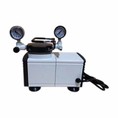
Microbiology filter funnels are essential tools in laboratories and various industries for separating microorganisms from liquids or gases. As a supplier of microbiology filter funnels, I understand their significance and the benefits they offer. However, it is equally important to be aware of their disadvantages. This blog post aims to explore the drawbacks of using a microbiology filter funnel.
Cost
One of the primary disadvantages of microbiology filter funnels is the cost. High - quality filter funnels, especially those designed for precise microbiological applications, can be quite expensive. The materials used in their construction, such as high - grade plastics or stainless steel, contribute to the cost. Additionally, the filters themselves, which are often made of specialized membranes with specific pore sizes to capture microorganisms effectively, add to the overall expense. For example, if a research laboratory needs to conduct a large number of filtration tests, the continuous purchase of filter funnels and replacement filters can strain the budget. Even though our company offers a 100ml Whole Set Microbiology Filter Funnel at a competitive price, the repeated investment can still be a burden for some institutions.
Limited Pore Size Range
Microbiology filter funnels come with a specific range of pore sizes. While these pore sizes are carefully selected to target different types of microorganisms, there are limitations. If a particular study requires the filtration of microorganisms with sizes that fall outside the available pore size range of the filter funnel, it becomes a significant problem. For instance, some newly discovered or rare microorganisms may have unique sizes that are not easily accommodated by standard filter funnels. This means that researchers may need to look for alternative filtration methods or custom - made filter funnels, which can be time - consuming and costly. Our 100ml Microbiology Filter Funnel has a set of standard pore sizes, but in some cases, these may not meet the specific needs of all customers.
Clogging Issues
Another common disadvantage is the tendency of filter funnels to clog. When filtering samples with a high concentration of microorganisms or particulate matter, the filter membrane can quickly become blocked. Clogging not only slows down the filtration process but can also lead to inaccurate results. As the filter clogs, the pressure required to force the liquid or gas through the filter increases. This can cause the filter to rupture or damage, leading to contamination of the sample. Moreover, frequent clogging means that the filter needs to be replaced more often, increasing the overall cost of using the filter funnel. For example, in a wastewater treatment plant that uses microbiology filter funnels to monitor the presence of harmful microorganisms, the high level of suspended solids in the wastewater can cause rapid clogging of the 60mm Microbiology Filter Funnel.
Compatibility Problems
Microbiology filter funnels may not be compatible with all types of samples. Some chemical substances in the sample can react with the materials of the filter funnel or the filter membrane. This can lead to degradation of the filter, changes in its pore size, or the release of contaminants into the sample. For instance, certain strong acids or bases can corrode the plastic or metal parts of the filter funnel, while some organic solvents can dissolve the filter membrane. In addition, biological samples with specific pH values or ionic strengths may also affect the performance of the filter funnel. Therefore, before using a filter funnel, it is crucial to ensure that it is compatible with the sample being filtered.
Difficulty in Cleaning and Sterilization
Proper cleaning and sterilization are essential for maintaining the accuracy and reliability of microbiology filter funnels. However, this can be a challenging task. The complex design of some filter funnels, with small crevices and channels, makes it difficult to clean all the surfaces thoroughly. Residual microorganisms or contaminants left after cleaning can contaminate subsequent samples. Sterilization methods, such as autoclaving or chemical sterilization, may also have limitations. Some filter materials may not be able to withstand high temperatures during autoclaving, while chemical sterilants may leave residues that can affect the sample. Incorrect cleaning and sterilization procedures can lead to false - positive or false - negative results in microbiological tests.
Potential for Sample Loss
During the filtration process, there is a risk of sample loss. When transferring the sample to the filter funnel or during the filtration itself, some of the sample may be left behind in the transfer equipment or on the walls of the funnel. This can be a significant issue, especially when dealing with small - volume samples. For example, in a research project where only a limited amount of a precious biological sample is available, any sample loss can have a major impact on the results. Additionally, if the filtration process is not carefully controlled, the sample may be forced out of the funnel in an uncontrolled manner, leading to further loss.
Lack of Real - Time Monitoring
Most microbiology filter funnels do not provide real - time monitoring of the filtration process. It is often difficult to know exactly when the filter is clogging or if the filtration is proceeding as expected. This lack of real - time information can lead to inefficient use of the filter funnel and inaccurate results. For example, if a filter is clogging but the operator is not aware, the pressure may continue to build up, potentially damaging the filter and the sample. In some cases, it may be necessary to stop the filtration process periodically to check the status of the filter, which can be time - consuming.
Environmental Impact
The production and disposal of microbiology filter funnels can have an environmental impact. The materials used in their manufacture, such as plastics and metals, require significant amounts of energy and resources. Additionally, the disposal of used filter funnels and filters can contribute to waste. If not properly disposed of, they can end up in landfills or cause pollution. As a supplier, we are aware of this issue and are constantly looking for ways to reduce the environmental impact of our products, such as by using more sustainable materials and promoting recycling.
Conclusion
Despite the many advantages of microbiology filter funnels, it is clear that they also have several disadvantages. These include high cost, limited pore size range, clogging issues, compatibility problems, difficulty in cleaning and sterilization, potential for sample loss, lack of real - time monitoring, and environmental impact. However, it is important to note that these drawbacks can be managed with proper planning and use. At our company, we are committed to providing high - quality microbiology filter funnels and addressing these issues through continuous product improvement and customer support.
If you are interested in learning more about our microbiology filter funnels or have any questions regarding their use, we encourage you to contact us for a detailed discussion. We are always ready to assist you in finding the most suitable solution for your microbiological filtration needs.


References
- Atlas, R. M., & Bartha, R. (1998). Microbial Ecology: Fundamentals and Applications. Benjamin/Cummings Publishing Company.
- Madigan, M. T., Martinko, J. M., Dunlap, P. V., & Clark, D. P. (2009). Brock Biology of Microorganisms. Pearson Benjamin Cummings.
- Prescott, L. M., Harley, J. P., & Klein, D. A. (2005). Microbiology. McGraw - Hill Higher Education.