


What are the advantages of using a glass solvent filter?
In the realm of laboratory research and industrial applications, the choice of filtration equipment can significantly impact the efficiency, accuracy, and quality of the processes. Among the various filtration options available, glass solvent filters have emerged as a preferred choice for many professionals. As a leading supplier of glass solvent filters, I am excited to share the numerous advantages of using these exceptional filtration tools.
Chemical Resistance
One of the most significant advantages of glass solvent filters is their outstanding chemical resistance. Glass is inherently resistant to a wide range of chemicals, including acids, bases, and organic solvents. This makes glass solvent filters suitable for use in various applications where exposure to aggressive chemicals is common. Whether you are filtering strong acids in a chemical synthesis laboratory or organic solvents in a pharmaceutical manufacturing plant, glass solvent filters can withstand the harsh chemical environment without degradation or contamination.
For example, in a research laboratory conducting experiments with concentrated hydrochloric acid, a glass solvent filter can be used to remove impurities from the acid without reacting with it. The glass material ensures that the filter remains intact and does not introduce any contaminants into the acid, maintaining the purity of the sample.
Transparency
Another key advantage of glass solvent filters is their transparency. Unlike filters made from other materials, such as plastic or metal, glass filters allow users to visually inspect the filtration process. This is particularly useful in applications where the presence of impurities or the progress of filtration needs to be monitored. By simply looking through the glass filter, users can quickly determine if the filtration is complete or if there are any blockages or issues that need to be addressed.


In a quality control laboratory, for instance, a glass solvent filter can be used to filter a sample of a liquid product. The transparency of the filter allows the operator to visually check for any particulate matter or discoloration in the filtrate, ensuring that the product meets the required quality standards.
High-Temperature Resistance
Glass solvent filters are also known for their high-temperature resistance. Glass can withstand elevated temperatures without losing its structural integrity or chemical properties. This makes glass solvent filters suitable for use in applications where high temperatures are involved, such as in the filtration of hot solvents or in processes that require sterilization by heat.
In a food processing plant, a glass solvent filter can be used to filter hot cooking oils. The high-temperature resistance of the glass filter ensures that it can withstand the heat of the oil without melting or deforming, providing a reliable and efficient filtration solution.
Reusability
Glass solvent filters are reusable, which makes them a cost-effective option in the long run. After each use, the filter can be thoroughly cleaned and sterilized, allowing it to be used again for multiple filtration cycles. This not only reduces the cost of filtration but also minimizes waste and environmental impact.
A research laboratory, for example, can use a single glass solvent filter for multiple experiments. By cleaning and sterilizing the filter between uses, the laboratory can save money on purchasing new filters and reduce the amount of waste generated.
Precision Filtration
Glass solvent filters offer precise filtration capabilities. The pore size of glass filters can be carefully controlled during the manufacturing process, allowing for the selection of filters with specific pore sizes to meet the requirements of different applications. This enables users to achieve accurate and consistent filtration results, ensuring the purity and quality of the filtrate.
In a biotechnology laboratory, a glass solvent filter with a specific pore size can be used to filter a protein solution. The precise pore size of the filter allows for the removal of impurities while retaining the protein molecules, ensuring the integrity of the sample.
Compatibility with Vacuum Filtration
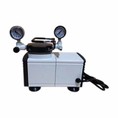
Glass solvent filters are highly compatible with vacuum filtration systems. Vacuum filtration is a widely used technique in laboratories and industries for separating solids from liquids. Glass solvent filters can be easily connected to vacuum pumps or filtration manifolds, allowing for efficient and rapid filtration. The use of vacuum filtration with glass solvent filters can significantly reduce the filtration time and improve the overall productivity of the filtration process.
For example, in a chemical analysis laboratory, a glass solvent filter can be connected to a vacuum pump to filter a large volume of a sample solution. The vacuum pressure helps to draw the liquid through the filter more quickly, speeding up the filtration process and allowing for faster analysis of the sample.
Availability in Different Sizes
As a supplier, we offer glass solvent filters in a variety of sizes to meet the diverse needs of our customers. Whether you need a small filter for a laboratory experiment or a large filter for an industrial application, we have the right size for you. Our range of glass solvent filters includes 300ml Glass Solvent Filter and 500ml Glass Solvent Filter, among others.
The availability of different sizes allows users to choose the filter that best suits their specific requirements. A small-scale research laboratory may opt for a 300ml glass solvent filter for its experiments, while a large industrial plant may require a 500ml or even larger filter for its production processes.
In conclusion, the advantages of using a glass solvent filter are numerous and significant. From chemical resistance and transparency to high-temperature resistance and reusability, glass solvent filters offer a reliable and efficient filtration solution for a wide range of applications. As a supplier of glass solvent filters, we are committed to providing our customers with high-quality products that meet their specific needs. If you are interested in learning more about our glass solvent filters or would like to discuss your filtration requirements, please feel free to contact us for a consultation. We look forward to working with you to find the best filtration solution for your application.
References
- "Filtration Principles and Practices" by A. Rushton, A. S. Ward, and R. G. Holdich.
- "Laboratory Techniques in Biochemistry and Molecular Biology" by T. A. Brown.
- "Industrial Filtration Handbook" by M. S. Sutherland.