


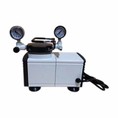
As a supplier of Microbial Limit Test Holders, I understand the significance of proper storage for these essential laboratory tools. The Microbial Limit Test Holder is a crucial component in microbiological testing, designed to hold filter membranes during the microbial limit test process. Ensuring its proper storage not only maintains its functionality but also extends its lifespan, ultimately contributing to accurate and reliable test results. In this blog, I will share some key guidelines on how to store a Microbial Limit Test Holder properly.
Cleanliness is Key
Before storing the Microbial Limit Test Holder, it is essential to ensure that it is thoroughly cleaned. Residues from previous tests, such as media, samples, or contaminants, can accumulate on the holder and potentially affect its performance. Cleaning the holder should be done according to the manufacturer's instructions. Typically, it involves disassembling the holder into its components, such as the base, clamp, and filter support, and washing them with a suitable detergent. After washing, rinse the components thoroughly with distilled water to remove any detergent residues.
Once the components are clean, they should be dried completely. Moisture can lead to the growth of microorganisms and corrosion of the holder's metal parts. You can air - dry the components in a clean, dust - free environment or use a gentle heat source, such as a low - temperature oven or a heat gun set on a low setting, to speed up the drying process. Make sure that all parts are completely dry before proceeding with storage.
Choose the Right Storage Environment
The storage environment plays a vital role in preserving the integrity of the Microbial Limit Test Holder. It should be stored in a clean, dry, and well - ventilated area. A laboratory cabinet or a dedicated storage rack can be ideal for this purpose. Avoid storing the holder in areas prone to high humidity, such as near sinks or in unventilated corners. High humidity can cause rusting of metal parts and the growth of mold and mildew on the holder's surfaces.
The temperature of the storage area should also be controlled. Extreme temperatures can damage the holder's materials. Most Microbial Limit Test Holders are designed to be stored at room temperature, typically between 20°C and 25°C. Avoid exposing the holder to direct sunlight or sources of heat, as this can cause warping or degradation of the plastic components.
Protect from Contamination
Contamination is a major concern when storing laboratory equipment. To prevent contamination of the Microbial Limit Test Holder, it should be stored in a protective case or cover. If the holder came with a manufacturer - provided storage case, use it. If not, you can use a clean plastic bag or a custom - made storage cover. Make sure that the case or cover is clean before placing the holder inside.
It is also important to keep the storage area free from dust and other airborne particles. Regularly clean the storage cabinet or rack to remove any dust that may have settled. If possible, use a HEPA - filtered air purifier in the storage area to maintain a clean air environment.
Organize and Label
Proper organization and labeling can make it easier to access and use the Microbial Limit Test Holder when needed. Label the storage case or cover with the name of the holder, its model number, and any other relevant information, such as the date of last cleaning or calibration. This will help you quickly identify the holder and ensure that it is in good condition for use.
If you have multiple Microbial Limit Test Holders, organize them in a systematic way. You can group them by model, size, or usage frequency. This will not only make it easier to find the right holder but also help you keep track of their inventory.
Consider the Compatibility of Accessories
The Microbial Limit Test Holder often comes with accessories such as filter membranes, gaskets, and clamps. When storing the holder, make sure to store these accessories properly as well. Filter membranes should be stored in their original packaging or in a sealed container to prevent contamination. Gaskets and clamps should be stored in a separate compartment or bag to avoid damage and ensure that they are easily accessible when needed.
Some accessories may require special storage conditions. For example, some filter membranes need to be stored at a specific temperature or humidity level. Make sure to follow the manufacturer's instructions for storing these accessories to maintain their performance.
Regular Inspection
Even when the Microbial Limit Test Holder is in storage, it is important to conduct regular inspections. Check the holder for any signs of damage, such as cracks, chips, or rust. Inspect the gaskets and seals for wear and tear. If any damage is detected, take appropriate action, such as repairing or replacing the damaged parts.
Regular inspections can also help you identify any potential issues with the storage environment. For example, if you notice signs of moisture or mold growth on the holder, it may indicate that the storage area is too humid. In this case, you should take steps to improve the storage conditions, such as using a dehumidifier or relocating the holder to a drier area.
Maintenance and Calibration Records
Keep a record of the maintenance and calibration of the Microbial Limit Test Holder. This includes the dates of cleaning, inspection, calibration, and any repairs or replacements. These records can help you ensure that the holder is being properly maintained and that it is in compliance with any regulatory requirements.
When storing the holder, keep these records in a safe and accessible place. You can use a digital database or a paper - based filing system. Having accurate maintenance and calibration records can also be useful when it comes time to replace the holder or when you need to provide documentation for quality control purposes.


Additional Tips for Long - Term Storage
If you need to store the Microbial Limit Test Holder for an extended period, there are some additional steps you can take. Apply a thin layer of a suitable lubricant or corrosion inhibitor to the metal parts to prevent rusting. Make sure to use a lubricant that is compatible with the holder's materials and will not contaminate the samples during testing.
Before long - term storage, it may also be a good idea to perform a final cleaning and inspection. This will ensure that the holder is in optimal condition when you retrieve it from storage.
In conclusion, proper storage of the Microbial Limit Test Holder is essential for maintaining its performance and longevity. By following these guidelines, you can ensure that your Microbial Limit Test Holder remains in good condition and is ready for use whenever you need it. If you are looking for a reliable Microbial Limit Test Holder, we are here to provide you with high - quality products and excellent customer service. And if you need an Oil - free Vacuum Pump to complement your microbial limit testing setup, we can also offer you a range of options. If you are interested in purchasing our products or have any questions, please feel free to contact us for procurement discussions.
References
- Manufacturer's instructions for the Microbial Limit Test Holder
- Laboratory safety and equipment storage guidelines from relevant regulatory bodies
- Industry best practices for microbiological laboratory equipment storage