


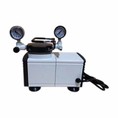
As a supplier of Oil-free Vacuum Pumps, I've witnessed firsthand the challenges that users face when it comes to noise reduction. In industrial and laboratory settings, the constant hum of a vacuum pump can be not only a nuisance but also a potential hazard to workers' health. In this blog post, I'll share some effective strategies to reduce the noise of an oil-free vacuum pump, based on my experience in the industry.
Understanding the Sources of Noise in Oil-free Vacuum Pumps
Before we delve into the solutions, it's crucial to understand where the noise in oil-free vacuum pumps comes from. Generally, the noise can be attributed to several factors:
- Mechanical Vibration: The moving parts inside the pump, such as pistons, diaphragms, and rotors, generate vibrations during operation. These vibrations are transmitted to the pump housing and surrounding structures, producing noise.
- Airflow Turbulence: As the pump draws in and expels air, the airflow can become turbulent, creating noise. This is especially true at high flow rates or when the pump is operating near its maximum capacity.
- Electrical Components: The motor and other electrical components in the pump can also generate noise, particularly if they are not properly shielded or if there are loose connections.
Strategies for Reducing Noise
1. Isolate the Pump
One of the most effective ways to reduce noise is to isolate the pump from its surroundings. This can be achieved by mounting the pump on a vibration-dampening platform or using flexible connectors to attach the pump to the piping system. Vibration-dampening materials, such as rubber pads or springs, can absorb the vibrations generated by the pump and prevent them from being transmitted to the floor or other structures.
For example, if you're using a small oil-free vacuum pump in a laboratory, you can place it on a rubber mat to reduce the noise caused by vibrations. In an industrial setting, a more robust isolation system may be required, such as a custom-designed mounting frame with vibration isolators.
2. Optimize the Airflow
Reducing airflow turbulence can significantly reduce the noise generated by the pump. This can be done by ensuring that the intake and exhaust ports are properly sized and that the piping system is designed to minimize bends and restrictions. Additionally, using mufflers or silencers on the intake and exhaust ports can help to reduce the noise caused by the airflow.
When selecting a muffler or silencer, it's important to choose one that is specifically designed for use with vacuum pumps. These devices are typically designed to reduce noise without sacrificing the pump's performance.
3. Maintain the Pump Regularly
Regular maintenance is essential for keeping the pump running smoothly and quietly. This includes cleaning the pump, lubricating the moving parts, and checking for any signs of wear or damage. A well-maintained pump is less likely to generate excessive noise due to mechanical issues.
For example, if the pump's pistons or diaphragms are worn, they may not seal properly, which can lead to increased noise and reduced performance. By replacing these parts as needed, you can ensure that the pump continues to operate quietly and efficiently.
4. Use Soundproof Enclosures
In some cases, it may be necessary to use a soundproof enclosure to reduce the noise generated by the pump. These enclosures are typically made of materials that absorb or reflect sound, such as acoustic foam or fiberglass.
When using a soundproof enclosure, it's important to ensure that it is properly ventilated to prevent the pump from overheating. Additionally, the enclosure should be designed to allow easy access to the pump for maintenance and inspection.
Case Studies
To illustrate the effectiveness of these strategies, let's take a look at a few case studies:
Case Study 1: Laboratory Application
A research laboratory was experiencing high levels of noise from an oil-free vacuum pump used in a microbial limit test. The pump was located in a small room near the work area, and the noise was causing discomfort to the laboratory staff.


To address the issue, the laboratory installed a vibration-dampening platform under the pump and added a muffler to the exhaust port. Additionally, they used a soundproof enclosure to further reduce the noise. After implementing these measures, the noise level in the room was significantly reduced, and the laboratory staff reported a more comfortable working environment.
Case Study 2: Industrial Application
An industrial manufacturing facility was using several oil-free vacuum pumps in a production line. The noise from the pumps was causing a disturbance in the surrounding area, and the facility was receiving complaints from nearby residents.
To reduce the noise, the facility installed a custom-designed mounting frame with vibration isolators for each pump. They also optimized the airflow by replacing the existing piping system with a larger-diameter pipe and adding mufflers to the intake and exhaust ports. Finally, they installed a soundproof room to house the pumps.
After implementing these measures, the noise level in the surrounding area was reduced to an acceptable level, and the facility was able to continue operating without any further complaints.
Conclusion
Reducing the noise of an oil-free vacuum pump is not only important for creating a comfortable working environment but also for complying with noise regulations. By understanding the sources of noise and implementing the strategies outlined in this blog post, you can effectively reduce the noise generated by your vacuum pump.
If you're interested in learning more about our Oil-free Vacuum Pump or our Microbial Limit Test Holder, or if you have any questions about noise reduction, please don't hesitate to contact us. We're here to help you find the best solution for your needs.
References
- "Noise Control in Industrial Settings," Industrial Noise Control Handbook, Second Edition.
- "Vibration Isolation Techniques for Machinery," Machinery Vibration Analysis and Monitoring.
- "Airflow Optimization in Vacuum Systems," Vacuum Technology Handbook.