


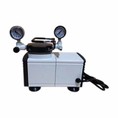
Hey there! As a supplier of vacuum filtration systems, I've seen firsthand how crucial it is to keep these systems running at their best. Whether you're in a research lab, a manufacturing plant, or any other setting that relies on vacuum filtration, optimizing performance can save you time, money, and headaches. In this blog post, I'll share some tips and tricks on how to get the most out of your vacuum filtration system.
1. Choose the Right System for Your Needs
The first step in optimizing your vacuum filtration system is to make sure you've got the right one for your specific application. We offer a variety of systems, including the Stainless Steel One Branch Vacuum Filtration System, the Glass Three Branches Vacuum Filtration System, and the Glass Six Branches Vacuum Filtration System. Each system has its own unique features and benefits, so it's important to consider factors like the volume of samples you'll be filtering, the type of filter media you'll be using, and the level of vacuum you need.
If you're filtering small volumes of samples, a single-branch system might be all you need. On the other hand, if you're working with larger volumes or multiple samples at once, a multi-branch system could be a better choice. And if you're dealing with corrosive or sensitive samples, a glass system might be more suitable than a stainless steel one.


2. Maintain Your System Regularly
Once you've got the right system for your needs, it's important to keep it in good working condition. Regular maintenance can help prevent breakdowns, extend the lifespan of your system, and ensure consistent performance. Here are some key maintenance tasks to keep in mind:
- Clean the Filter Media: Over time, filter media can become clogged with debris, which can reduce the flow rate and efficiency of your system. Make sure to clean or replace the filter media regularly according to the manufacturer's instructions.
- Check the Seals and Gaskets: Leaks in the seals and gaskets can cause a loss of vacuum, which can affect the performance of your system. Inspect the seals and gaskets regularly for signs of wear or damage, and replace them as needed.
- Lubricate Moving Parts: If your system has moving parts, such as valves or pumps, make sure to lubricate them regularly to prevent friction and wear.
- Calibrate the Vacuum Gauge: A inaccurate vacuum gauge can lead to inconsistent results. Calibrate the vacuum gauge regularly to ensure accurate readings.
3. Optimize the Vacuum Level
The vacuum level is one of the most important factors affecting the performance of your vacuum filtration system. Too little vacuum can result in slow filtration rates, while too much vacuum can cause the filter media to rupture or the samples to be drawn through too quickly. Here are some tips on how to optimize the vacuum level:
- Start with a Low Vacuum: When you first start filtering a sample, start with a low vacuum level and gradually increase it as needed. This can help prevent the filter media from clogging too quickly and ensure a more consistent flow rate.
- Monitor the Vacuum Level: Use a vacuum gauge to monitor the vacuum level during the filtration process. Adjust the vacuum level as needed to maintain a steady flow rate.
- Consider the Type of Filter Media: Different types of filter media have different optimal vacuum levels. Make sure to consult the manufacturer's instructions or do some testing to determine the optimal vacuum level for the filter media you're using.
4. Use the Right Filter Media
Choosing the right filter media is crucial for achieving optimal performance in your vacuum filtration system. The filter media you choose will depend on factors like the type of sample you're filtering, the size of the particles you're trying to remove, and the level of purity you need. Here are some common types of filter media and their applications:
- Membrane Filters: Membrane filters are thin, porous membranes that are used to remove particles from liquids or gases. They are available in a variety of pore sizes, from very small (0.1 µm) to relatively large (10 µm). Membrane filters are commonly used in applications such as microbiological analysis, water purification, and pharmaceutical manufacturing.
- Depth Filters: Depth filters are made of a thick, porous material that traps particles throughout the depth of the filter. They are typically used to remove larger particles or to pre-filter samples before using a membrane filter. Depth filters are commonly used in applications such as food and beverage processing, chemical manufacturing, and wastewater treatment.
- Adsorbent Filters: Adsorbent filters are designed to remove specific contaminants from a sample by adsorbing them onto the surface of the filter media. They are commonly used in applications such as air purification, gas separation, and water treatment.
5. Minimize the Pressure Drop
The pressure drop is the difference in pressure between the inlet and outlet of the filter media. A high pressure drop can reduce the flow rate and efficiency of your system, so it's important to minimize it as much as possible. Here are some tips on how to minimize the pressure drop:
- Use the Right Filter Media: As mentioned earlier, choosing the right filter media is crucial for achieving optimal performance. Make sure to choose a filter media with a low pressure drop for your specific application.
- Keep the Filter Media Clean: A clogged filter media can cause a high pressure drop. Make sure to clean or replace the filter media regularly to prevent clogging.
- Use a Pre-Filter: A pre-filter can help remove larger particles from the sample before it reaches the main filter media, which can reduce the pressure drop and extend the lifespan of the main filter media.
- Optimize the Flow Rate: The flow rate can also affect the pressure drop. Make sure to optimize the flow rate according to the manufacturer's instructions or do some testing to find the optimal flow rate for your system.
6. Train Your Staff
Finally, it's important to train your staff on how to use and maintain your vacuum filtration system properly. Proper training can help prevent operator errors, ensure consistent performance, and extend the lifespan of your system. Here are some key training topics to cover:
- System Operation: Make sure your staff understands how to operate the system, including how to turn it on and off, how to adjust the vacuum level, and how to load and unload the filter media.
- Maintenance Procedures: Train your staff on the key maintenance procedures, such as cleaning the filter media, checking the seals and gaskets, and lubricating the moving parts.
- Safety Precautions: Emphasize the importance of safety when using the vacuum filtration system. Make sure your staff understands the potential hazards, such as electrical shock, chemical exposure, and high-pressure vacuum, and how to prevent them.
Conclusion
Optimizing the performance of your vacuum filtration system is essential for achieving accurate results, saving time and money, and ensuring the longevity of your equipment. By following the tips and tricks outlined in this blog post, you can get the most out of your vacuum filtration system and keep it running at its best.
If you're interested in learning more about our vacuum filtration systems or have any questions about optimizing the performance of your system, please don't hesitate to contact us. We'd be happy to help you find the right system for your needs and provide you with the support and guidance you need to get the most out of it.
References
- Manufacturer's instructions for vacuum filtration systems
- Industry standards and best practices for vacuum filtration
- Scientific literature on vacuum filtration and related topics