


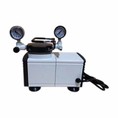
A vacuum filtration system is an essential piece of equipment in many laboratories, industrial settings, and research facilities. It plays a crucial role in separating solids from liquids through the application of vacuum pressure. As a leading supplier of vacuum filtration systems, including the Glass Three Branches Vacuum Filtration System, Stainless Steel Six Branches Vacuum Filtration System, and Glass Six Branches Vacuum Filtration System, we understand the importance of proper maintenance to ensure optimal performance and longevity of these systems. In this blog post, we will share some valuable tips on how to maintain a vacuum filtration system effectively.
Regular Cleaning
One of the most fundamental aspects of maintaining a vacuum filtration system is regular cleaning. Over time, the system can accumulate various contaminants, such as particulate matter, chemicals, and residues from the filtration process. These contaminants can not only affect the efficiency of the filtration but also cause damage to the components of the system.
- Filter Media: The filter media is the heart of the vacuum filtration system. It is responsible for trapping the solids and allowing the liquid to pass through. Depending on the type of filter media used, it may need to be replaced or cleaned regularly. For disposable filter media, such as filter papers or membranes, they should be replaced after each use or when they become clogged. For reusable filter media, such as sintered glass or ceramic filters, they can be cleaned by soaking them in a suitable cleaning solution and then rinsing them thoroughly with distilled water.
- Filtration Flask and Accessories: The filtration flask and other accessories, such as adapters, clamps, and tubing, should also be cleaned regularly. Use a mild detergent and warm water to clean the flask and accessories, and then rinse them thoroughly to remove any traces of detergent. Make sure to dry them completely before reassembling the system.
- Vacuum Pump: The vacuum pump is another critical component of the vacuum filtration system. It creates the vacuum pressure necessary for the filtration process. Regularly clean the vacuum pump according to the manufacturer's instructions. This may involve changing the oil, cleaning the intake and exhaust filters, and checking for any leaks or damage.
Inspection and Maintenance of Components
In addition to regular cleaning, it is also important to inspect and maintain the various components of the vacuum filtration system on a regular basis. This can help identify any potential problems early on and prevent them from escalating into more serious issues.
- Seals and Gaskets: Seals and gaskets are used to create a tight seal between the different components of the vacuum filtration system. Over time, these seals and gaskets can wear out or become damaged, leading to leaks and a loss of vacuum pressure. Inspect the seals and gaskets regularly for any signs of wear, damage, or aging, and replace them as needed.
- Tubing and Connections: The tubing and connections in the vacuum filtration system should also be inspected regularly. Check for any signs of cracks, leaks, or loose connections. Replace any damaged tubing or connections immediately to prevent leaks and ensure proper operation of the system.
- Vacuum Pump: As mentioned earlier, the vacuum pump is a critical component of the vacuum filtration system. In addition to regular cleaning, it also requires regular maintenance. Check the oil level in the vacuum pump regularly and change the oil according to the manufacturer's recommendations. Inspect the belts, pulleys, and other moving parts for any signs of wear or damage, and replace them as needed.
Proper Storage
When the vacuum filtration system is not in use, it is important to store it properly to prevent damage and ensure its longevity.
- Disassembly: Before storing the vacuum filtration system, it is recommended to disassemble it into its individual components. This makes it easier to clean and store the components properly. Make sure to label the components to ensure easy reassembly later.
- Storage Conditions: Store the components of the vacuum filtration system in a clean, dry, and cool place. Avoid storing them in direct sunlight or in areas with high humidity, as this can cause damage to the components. If possible, store the components in a protective case or container to prevent them from being damaged during storage.
- Lubrication: Some components of the vacuum filtration system, such as the moving parts of the vacuum pump, may require lubrication. Apply a small amount of lubricant to these components before storing them to prevent them from drying out and becoming damaged.
Training and Education
Proper training and education are essential for the effective maintenance of a vacuum filtration system. Make sure that all users of the system are trained on how to operate and maintain it correctly. This can help prevent operator errors and ensure that the system is used in the most efficient and safe manner possible.
- User Manual: Provide all users of the vacuum filtration system with a copy of the user manual. The user manual contains important information on the operation, maintenance, and troubleshooting of the system. Make sure that the users read and understand the user manual before using the system.
- Training Sessions: Conduct regular training sessions for the users of the vacuum filtration system. These sessions can cover topics such as the proper operation of the system, the importance of regular maintenance, and how to troubleshoot common problems. Provide hands-on training to the users to ensure that they are comfortable with the operation and maintenance of the system.
- Documentation: Keep a record of all maintenance activities, including cleaning, inspections, and component replacements. This documentation can help track the maintenance history of the system and provide valuable information for future maintenance and troubleshooting.
Monitoring and Performance Evaluation
Regular monitoring and performance evaluation of the vacuum filtration system can help ensure that it is operating at its optimal level. This can involve monitoring various parameters, such as vacuum pressure, flow rate, and filtration efficiency.
- Vacuum Pressure: Monitor the vacuum pressure regularly using a vacuum gauge. A drop in vacuum pressure may indicate a leak in the system or a problem with the vacuum pump. If the vacuum pressure is not within the recommended range, investigate the cause and take appropriate action to correct it.
- Flow Rate: The flow rate of the liquid through the filtration system is another important parameter to monitor. A decrease in flow rate may indicate a clogged filter media or a problem with the tubing or connections. Check the filter media and tubing for any blockages and clean or replace them as needed.
- Filtration Efficiency: Evaluate the filtration efficiency of the system regularly by analyzing the quality of the filtrate. If the filtrate contains an excessive amount of solids or if the filtration process takes longer than usual, it may indicate a problem with the filter media or the system. Investigate the cause and take appropriate action to improve the filtration efficiency.
Conclusion
Maintaining a vacuum filtration system is essential for ensuring its optimal performance and longevity. By following the tips outlined in this blog post, you can keep your vacuum filtration system in good working condition and avoid costly repairs and replacements. Remember to clean the system regularly, inspect and maintain the components, store it properly, provide training and education to the users, monitor and evaluate its performance, and keep a record of all maintenance activities. If you have any questions or need further assistance with the maintenance of your vacuum filtration system, please do not hesitate to contact us. We are here to help you make the most of your investment in our products.


If you are interested in purchasing a vacuum filtration system or need any other filtration-related products, we invite you to contact us for a detailed discussion. Our team of experts will be happy to assist you in selecting the right system for your specific needs and provide you with the best possible solutions.
References
- Manufacturer's user manuals for vacuum filtration systems.
- Industry standards and best practices for laboratory equipment maintenance.
- Scientific literature on vacuum filtration techniques and system maintenance.