


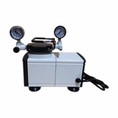
As a supplier of vacuum filtration systems, I've encountered various emergencies during the operation of these systems. In this blog, I'll share some practical advice on how to handle emergencies during the operation of a vacuum filtration system.
1. Understanding the Common Emergencies
1.1 Loss of Vacuum
One of the most common emergencies is the loss of vacuum. This can be caused by several factors. A leak in the system is a primary culprit. For example, loose connections between the filter flask, the vacuum pump, and the tubing can allow air to enter the system, reducing the vacuum level. Another cause could be a malfunctioning vacuum pump. If the pump fails to generate sufficient suction, the vacuum will drop.
1.2 Clogging of the Filter
Filter clogging is also a frequent issue. When filtering a solution with a high concentration of solids, the filter pores can become blocked over time. This not only slows down the filtration process but can also cause excessive pressure build - up in the system, potentially leading to damage.
1.3 Overheating of the Vacuum Pump
The vacuum pump may overheat during continuous operation. This can be due to insufficient cooling, a blocked air intake in the pump, or excessive workload. Overheating can reduce the pump's efficiency and even cause permanent damage.
2. Immediate Actions for Loss of Vacuum
2.1 Check for Leaks
As soon as you notice a loss of vacuum, the first step is to check for leaks. Start by inspecting all the connections in the system. Make sure that the tubing is securely attached to the filter flask and the vacuum pump. You can use a soapy water solution to check for leaks. Apply the soapy water to the connections, and if there are any leaks, you'll see bubbles forming. Tighten the loose connections or replace any damaged tubing.
If the leak is coming from the filter flask, check if the rubber stopper is properly seated. A damaged rubber stopper may need to be replaced. In some cases, the filter flask itself may be cracked. If this is the case, immediately stop the operation and replace the flask.
2.2 Inspect the Vacuum Pump
If there are no visible leaks in the system, the problem may lie with the vacuum pump. Check if the pump is running properly. Listen for any unusual noises, which could indicate a mechanical problem. Also, check the power supply to the pump. Make sure that the pump is plugged in correctly and that the circuit breaker has not tripped.
If the pump has a built - in pressure gauge, check the reading. If the pressure is not within the normal operating range, the pump may need to be serviced. Some pumps have a self - diagnostic feature that can help identify the problem. Refer to the pump's user manual for troubleshooting steps.
3. Dealing with Filter Clogging
3.1 Reduce the Filtration Rate
When you notice that the filtration rate has significantly decreased, it may be a sign of filter clogging. First, reduce the flow rate of the solution being filtered. This can be done by adjusting the valve on the vacuum line or by reducing the pressure applied to the solution. By reducing the flow rate, you can prevent further clogging and give the filter more time to work.
3.2 Backflush the Filter
In some cases, you can try to backflush the filter to remove the accumulated solids. This involves reversing the flow of the liquid through the filter. However, this method is only applicable to certain types of filters. Refer to the filter's manual to see if backflushing is recommended.
3.3 Replace the Filter
If backflushing does not work, it's time to replace the filter. Make sure to choose the correct filter for your application. Different filters have different pore sizes and materials, which are suitable for different types of solutions and solids. When replacing the filter, follow the proper installation procedures to ensure a proper seal.


4. Handling Overheating of the Vacuum Pump
4.1 Stop the Pump
As soon as you notice that the vacuum pump is overheating, immediately stop the pump. Continuing to run an overheated pump can cause serious damage. Let the pump cool down for a while before taking further action.
4.2 Check the Cooling System
Inspect the cooling system of the pump. If the pump is air - cooled, check if the air intake is blocked. Remove any dust or debris that may be blocking the air intake. You can use a soft brush or compressed air to clean the intake.
If the pump is water - cooled, check the water flow. Make sure that the water supply is sufficient and that there are no blockages in the water lines. You may need to clean the water lines or adjust the water flow rate.
4.3 Check the Workload
If the pump has been running continuously for a long time, it may be overloaded. Reduce the workload of the pump by reducing the filtration rate or taking breaks between filtration cycles. This will allow the pump to cool down and operate more efficiently.
5. Preventive Measures
5.1 Regular Maintenance
Regular maintenance is crucial to prevent emergencies. This includes cleaning the system regularly, checking the filters for wear and tear, and lubricating the moving parts of the vacuum pump. Follow the manufacturer's recommended maintenance schedule for your specific vacuum filtration system.
5.2 Proper Training
Ensure that the operators of the vacuum filtration system are properly trained. They should be familiar with the system's operation, emergency procedures, and safety precautions. Training can help prevent human - error - related emergencies.
5.3 Use Quality Components
Invest in high - quality components for your vacuum filtration system. This includes the filter flasks, filters, tubing, and the vacuum pump. Quality components are more reliable and less likely to cause problems during operation.
6. Our Vacuum Filtration Systems
At our company, we offer a wide range of vacuum filtration systems to meet different needs. For example, our Stainless Steel Three Branches Vacuum Filtration System is made of high - quality stainless steel, which is durable and resistant to corrosion. It is suitable for filtering various types of solutions in laboratories and industrial settings.
Our Glass Six Branches Vacuum Filtration System is ideal for applications where visibility is important. The glass construction allows you to monitor the filtration process easily.
We also have the Stainless Steel Six Branches Vacuum Filtration System, which provides a higher throughput with its six branches. It is suitable for large - scale filtration operations.
7. Contact Us for Purchase and Consultation
If you are interested in our vacuum filtration systems or need more information on how to handle emergencies during their operation, please feel free to contact us. Our team of experts is ready to assist you with any questions you may have. Whether you are looking to purchase a new system or need advice on maintaining your existing one, we are here to help.
References
- "Laboratory Vacuum Filtration Handbook", published by a leading laboratory equipment manufacturer.
- Various technical manuals provided by vacuum pump and filter manufacturers.