


Hey there, fellow chromatography enthusiasts! I'm a supplier of Glass TLC Plates, and today I'm going to share some tips on how to dry these plates after development. Whether you're a seasoned pro or just starting out in the world of thin-layer chromatography (TLC), proper drying is crucial for accurate results.
First off, let's talk about why drying Glass TLC Plates is so important. After you've run your TLC experiment and developed your plates using a suitable solvent system, the plates are wet with the mobile phase. If you don't dry them properly, the remaining solvent can interfere with the visualization of your spots and lead to inaccurate Rf values. Plus, a wet plate can be more prone to damage and may not store well for future reference.
Now, let's get into the nitty-gritty of how to dry Glass TLC Plates effectively. There are a few different methods you can choose from, depending on your specific needs and the resources available to you.
Air Drying
One of the simplest and most common methods for drying Glass TLC Plates is air drying. This method involves simply allowing the plates to dry at room temperature in a well-ventilated area. Here's how you can do it:
- Remove the plates from the developing chamber: Once your TLC plates have finished developing, carefully remove them from the chamber using a pair of forceps or tweezers. Be sure to handle the plates gently to avoid smudging or damaging the spots.
- Place the plates on a clean surface: Lay the plates flat on a clean, dry surface such as a glass plate or a piece of filter paper. Make sure the plates are not touching each other to allow for proper air circulation.
- Let the plates dry: Allow the plates to air dry for at least 10-15 minutes, or until they are completely dry to the touch. You can speed up the drying process by placing a fan near the plates to increase air flow.
Air drying is a great option if you're in a hurry and don't have access to other drying methods. However, it can take a while for the plates to dry completely, especially if the solvent used in the development process has a high boiling point.
Oven Drying
If you need to dry your Glass TLC Plates more quickly, you can use an oven. However, it's important to use caution when using an oven to dry TLC plates, as high temperatures can damage the plates and cause the spots to fade or disappear. Here's how you can safely dry your plates in an oven:
- Preheat the oven: Set the oven to a low temperature, typically between 50-60°C (122-140°F). Avoid using high temperatures, as this can cause the plates to crack or warp.
- Place the plates in the oven: Carefully place the plates on a baking sheet or a wire rack and place them in the preheated oven. Make sure the plates are not touching each other to allow for proper air circulation.
- Monitor the plates: Keep an eye on the plates while they are in the oven to make sure they don't overheat. Check the plates every few minutes to see if they are dry. Once the plates are dry, remove them from the oven using a pair of tongs or gloves.
Oven drying is a faster method than air drying, but it requires more attention and caution. Make sure you follow the manufacturer's instructions for your oven and use a low temperature to avoid damaging the plates.
Hair Dryer Drying
Another option for drying Glass TLC Plates is to use a hair dryer. This method is similar to air drying, but it uses a stream of warm air to speed up the drying process. Here's how you can use a hair dryer to dry your plates:
- Set the hair dryer to a low heat setting: Turn on the hair dryer and set it to a low heat setting. Avoid using high heat, as this can damage the plates and cause the spots to fade or disappear.
- Hold the hair dryer a few inches away from the plates: Hold the hair dryer a few inches away from the plates and move it back and forth over the surface of the plates. Make sure the air is evenly distributed over the entire surface of the plates.
- Continue drying until the plates are dry: Keep the hair dryer moving over the plates until they are completely dry to the touch. This should take about 5-10 minutes, depending on the size of the plates and the amount of solvent on them.
Hair dryer drying is a convenient and fast method for drying Glass TLC Plates, but it can be a bit tricky to control the temperature and air flow. Make sure you use a low heat setting and keep the hair dryer moving to avoid overheating the plates.
Vacuum Drying
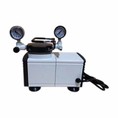
If you need to dry your Glass TLC Plates quickly and efficiently, you can use a vacuum drying oven. This method uses a vacuum to remove the solvent from the plates, which can significantly reduce the drying time. Here's how you can use a vacuum drying oven to dry your plates:
- Preheat the vacuum drying oven: Set the oven to a low temperature, typically between 50-60°C (122-140°F). Turn on the vacuum pump to create a vacuum in the oven.
- Place the plates in the oven: Carefully place the plates on a baking sheet or a wire rack and place them in the preheated vacuum drying oven. Make sure the plates are not touching each other to allow for proper air circulation.
- Monitor the plates: Keep an eye on the plates while they are in the oven to make sure they don't overheat. Check the plates every few minutes to see if they are dry. Once the plates are dry, turn off the vacuum pump and remove the plates from the oven using a pair of tongs or gloves.
Vacuum drying is a fast and efficient method for drying Glass TLC Plates, but it requires specialized equipment and can be expensive. If you have access to a vacuum drying oven, it's definitely worth considering as a drying option.
Tips for Drying Glass TLC Plates
Here are some additional tips to help you dry your Glass TLC Plates effectively:
- Use a clean surface: Make sure the surface you're drying the plates on is clean and dry to avoid contamination.
- Avoid touching the plates: Handle the plates gently using forceps or tweezers to avoid smudging or damaging the spots.
- Use a suitable solvent: Choose a solvent with a low boiling point to speed up the drying process.
- Allow the plates to cool: After drying the plates, allow them to cool to room temperature before visualizing the spots. This will help prevent the spots from fading or disappearing.
Conclusion
Drying Glass TLC Plates after development is an important step in the TLC process. By following the tips and methods outlined in this blog post, you can ensure that your plates are dried properly and that your results are accurate and reliable. Whether you choose to air dry, oven dry, use a hair dryer, or vacuum dry your plates, make sure you take the time to do it right.


If you're in the market for high-quality Glass TLC Plates, be sure to check out our selection at Glass TLC Plates. We also offer Aluminum TLC Plates for those who prefer a different type of plate. If you have any questions or need further assistance, don't hesitate to contact us. We're here to help you with all your chromatography needs!
References
- Snyder, L. R., Kirkland, J. J., & Glajch, J. L. (1997). Practical HPLC method development. Wiley.
- Touchstone, J. C. (1992). Practice of thin-layer chromatography. Wiley.