


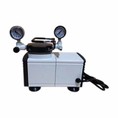
Calibrating a 500ml Glass Solvent Filter is a crucial process that ensures accurate and reliable results in various laboratory applications. As a trusted supplier of the 500ml Glass Solvent Filter, I understand the importance of proper calibration. In this blog, I will guide you through the steps of calibrating a 500ml Glass Solvent Filter when necessary.
Why Calibration is Necessary
Calibration is the process of comparing the measurement of an instrument with a known standard to determine its accuracy. For a 500ml Glass Solvent Filter, calibration is essential for several reasons. Firstly, it ensures that the filter is delivering the correct volume of solvent. In many laboratory procedures, accurate volume measurements are critical for obtaining reliable results. Secondly, calibration helps to identify any potential issues with the filter, such as leaks or blockages, which could affect its performance. Lastly, regular calibration is often required to meet quality control standards in laboratory settings.
Preparing for Calibration
Before starting the calibration process, it is important to gather all the necessary materials. You will need a calibrated volumetric flask, a pipette, a balance, and a suitable solvent. The volumetric flask should have a known volume that is close to 500ml. The pipette should be capable of accurately measuring small volumes of solvent. The balance should be able to measure the mass of the solvent with high precision.
Step-by-Step Calibration Process
- Clean the Filter: Start by thoroughly cleaning the 500ml Glass Solvent Filter. Use a suitable cleaning solution and rinse the filter with distilled water. Make sure to remove any debris or contaminants from the filter.
- Set Up the Calibration Equipment: Place the calibrated volumetric flask on a level surface. Use the pipette to transfer a known volume of solvent into the flask. Record the volume of the solvent accurately.
- Filter the Solvent: Attach the 500ml Glass Solvent Filter to a vacuum source. Pour the solvent from the volumetric flask into the filter. Turn on the vacuum and allow the solvent to pass through the filter. Collect the filtered solvent in a clean container.
- Measure the Volume of the Filtered Solvent: Use the pipette to transfer the filtered solvent from the container into the calibrated volumetric flask. Record the volume of the filtered solvent accurately.
- Calculate the Calibration Factor: Compare the volume of the solvent before and after filtration. Calculate the calibration factor by dividing the volume of the filtered solvent by the volume of the solvent before filtration. If the calibration factor is close to 1, the filter is accurately calibrated. If the calibration factor is significantly different from 1, adjustments may be needed.
- Adjust the Filter if Necessary: If the calibration factor is not within the acceptable range, you may need to adjust the filter. Check for any leaks or blockages in the filter. Make sure the filter is properly assembled and tightened. If necessary, replace any damaged parts of the filter.
- Repeat the Calibration Process: After making any adjustments, repeat the calibration process to ensure that the filter is accurately calibrated.
Tips for Successful Calibration
- Use High-Quality Equipment: Make sure to use high-quality calibration equipment, such as calibrated volumetric flasks and pipettes. This will ensure accurate measurements and reliable results.
- Follow the Manufacturer's Instructions: Always follow the manufacturer's instructions for calibrating the 500ml Glass Solvent Filter. This will ensure that the calibration process is performed correctly and safely.
- Perform Regular Calibration: It is recommended to perform regular calibration of the 500ml Glass Solvent Filter to ensure its accuracy and reliability. The frequency of calibration will depend on the usage and application of the filter.
- Keep Records: Keep detailed records of the calibration process, including the date, time, calibration factor, and any adjustments made. This will help you track the performance of the filter over time and ensure compliance with quality control standards.
Conclusion
Calibrating a 500ml Glass Solvent Filter is an important process that ensures accurate and reliable results in laboratory applications. By following the steps outlined in this blog, you can calibrate your filter effectively and maintain its performance over time. If you have any questions or need further assistance with calibration, please do not hesitate to contact us. We are a leading supplier of 500ml Glass Solvent Filter and other laboratory equipment, and we are committed to providing our customers with the highest quality products and services.


If you are interested in purchasing a 500ml Glass Solvent Filter or any other laboratory equipment, please feel free to contact us for more information. We look forward to working with you and helping you meet your laboratory needs.
References
- Laboratory Equipment Calibration Handbook
- Manufacturer's Manual for 500ml Glass Solvent Filter