


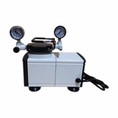
Hey there! I'm a supplier of Microbial Limit Test Holders, and today I want to dive into a question that often comes up: Can a Microbial Limit Test Holder be used in a humid environment?
First off, let's understand what a Microbial Limit Test Holder is. It's a crucial tool in microbiology, used for testing the microbial limits in various products, such as pharmaceuticals, cosmetics, and food. You can check out more about it on Microbial Limit Test Holder.


Now, when it comes to using it in a humid environment, there are a few factors we need to consider.
How Humidity Affects the Equipment
Humidity can have a significant impact on the performance and longevity of a Microbial Limit Test Holder. High humidity means there's a lot of moisture in the air. This moisture can cause corrosion on the metal parts of the holder. Corrosion can lead to the degradation of the holder's structure, making it less reliable over time. For example, if the metal clamps or connectors start to rust, they might not hold the filter membranes properly during the testing process.
Moreover, humidity can also affect the electrical components if the holder has any. Moisture can cause short - circuits or damage to the wiring, which can disrupt the normal operation of the equipment. And let's not forget about the potential for mold growth. In a humid environment, mold can easily grow on the surfaces of the holder. Mold not only looks unappealing but can also contaminate the samples during testing, leading to inaccurate results.
The Design of the Microbial Limit Test Holder
However, not all hope is lost when it comes to using the holder in a humid environment. Many modern Microbial Limit Test Holders are designed with features to withstand some level of humidity. For instance, some holders are made from materials that are resistant to corrosion. Stainless steel is a popular choice as it has good resistance to rust and can handle exposure to moisture better than other metals.
Some holders also have protective coatings on their surfaces. These coatings act as a barrier between the equipment and the humid air, preventing moisture from directly contacting the metal or other sensitive parts. Additionally, the design of the holder may include proper ventilation or drainage systems. Ventilation helps to reduce the build - up of moisture inside the holder, while drainage systems can get rid of any water that might accumulate.
Precautions to Take
If you plan to use a Microbial Limit Test Holder in a humid environment, there are some precautions you can take. First, make sure to keep the holder clean and dry as much as possible. After each use, wipe it down with a dry cloth to remove any moisture. You can also use a desiccant in the storage area to absorb excess moisture.
Regular maintenance is also key. Inspect the holder for any signs of corrosion, mold, or damage. If you notice any issues, address them promptly. For example, if you see a small area of rust, you can use a rust remover and then apply a protective coating to prevent further corrosion.
Another important thing is to use the holder in a well - ventilated area. Good ventilation helps to keep the humidity levels around the holder in check. You can also consider using a dehumidifier in the testing room to reduce the overall humidity.
Compatibility with Other Equipment
When using a Microbial Limit Test Holder in a humid environment, it's also important to consider its compatibility with other equipment. For example, if you're using an Oil-free Vacuum Pump along with the holder, the pump should also be able to handle the humid conditions. A pump that is not designed for high - humidity environments may malfunction, which can affect the performance of the entire testing setup.
Real - World Experiences
I've had customers who have used our Microbial Limit Test Holders in humid environments. Some of them have reported positive experiences, especially when they followed the proper precautions. One customer in a coastal area, where the humidity is naturally high, used our holder for pharmaceutical testing. They made sure to clean and maintain the holder regularly and used a dehumidifier in the testing room. They were able to get accurate test results over an extended period without any major issues.
On the other hand, some customers who didn't take the necessary precautions faced problems. One customer in a tropical region didn't clean the holder properly after use, and they soon noticed mold growth on the holder's surface. This led to inaccurate test results and they had to replace some parts of the holder.
Conclusion
So, can a Microbial Limit Test Holder be used in a humid environment? The answer is yes, but with some considerations. While humidity can pose challenges to the performance and longevity of the holder, modern designs and proper precautions can help mitigate these issues.
If you're in the market for a reliable Microbial Limit Test Holder that can handle a range of environments, including humid ones, I'd love to have a chat with you. Whether you have questions about the product features, need advice on maintenance, or are ready to make a purchase, don't hesitate to reach out. We're here to help you get the most out of your microbial testing equipment.
References
- "Microbiological Testing in Humid Conditions: Best Practices", Journal of Microbiological Equipment, 2022
- "The Impact of Humidity on Laboratory Equipment", Laboratory Science Review, 2021