


Can a glass solvent filter be used for filtering organic solvents?
In the realm of laboratory work and industrial processes, the filtration of solvents is a crucial step in ensuring the purity and quality of substances. Among the various types of filters available, glass solvent filters have gained significant popularity. As a supplier of glass solvent filters, I often encounter the question: Can a glass solvent filter be used for filtering organic solvents? In this blog post, I will delve into this topic, exploring the compatibility, advantages, and considerations when using glass solvent filters for organic solvents.
Compatibility of Glass Solvent Filters with Organic Solvents
Glass is a versatile and widely used material in the laboratory due to its excellent chemical resistance. Most common glass types, such as borosilicate glass, are highly resistant to a wide range of organic solvents. Borosilicate glass is composed of silica and boron trioxide, which gives it superior thermal and chemical stability. It can withstand exposure to many organic solvents, including alcohols, ketones, esters, and hydrocarbons, without significant corrosion or degradation.
For example, ethanol, a commonly used organic solvent in various applications, has no adverse effect on borosilicate glass. Similarly, acetone, a powerful solvent used for cleaning and degreasing, can be safely filtered through a glass solvent filter made of borosilicate glass. The chemical inertness of glass makes it an ideal choice for filtering organic solvents, as it does not introduce any contaminants or react with the solvents being filtered.


However, it is important to note that not all organic solvents are compatible with glass. Some highly reactive or corrosive solvents, such as hydrofluoric acid and concentrated sulfuric acid, can attack glass and cause damage. Therefore, it is essential to carefully select the appropriate glass solvent filter based on the specific organic solvent being filtered.
Advantages of Using Glass Solvent Filters for Organic Solvents
There are several advantages to using glass solvent filters for filtering organic solvents:
- Chemical Resistance: As mentioned earlier, glass has excellent chemical resistance, making it suitable for filtering a wide range of organic solvents. This ensures that the filter does not contaminate the solvent or react with it, maintaining the purity of the filtered solvent.
- High Purity: Glass is a non-porous material, which means that it does not release any particles or contaminants into the solvent being filtered. This is particularly important in applications where high purity solvents are required, such as in the pharmaceutical and semiconductor industries.
- Transparency: Glass solvent filters are transparent, allowing for easy visual inspection of the filtration process. This enables users to monitor the progress of the filtration and detect any potential issues, such as clogging or leaks, in a timely manner.
- Reusability: Glass solvent filters can be easily cleaned and reused, making them a cost-effective option in the long run. After each use, the filter can be washed with a suitable solvent and dried, ready for the next filtration process.
- Versatility: Glass solvent filters are available in a variety of sizes and configurations, making them suitable for different filtration applications. Whether you need to filter a small volume of solvent in a laboratory setting or a large volume in an industrial process, there is a glass solvent filter that can meet your needs.
Considerations When Using Glass Solvent Filters for Organic Solvents
While glass solvent filters offer many advantages for filtering organic solvents, there are also some considerations that need to be taken into account:
- Temperature and Pressure: Organic solvents can have different boiling points and vapor pressures, which can affect the filtration process. It is important to ensure that the glass solvent filter is rated for the temperature and pressure conditions of the solvent being filtered. Using a filter that is not designed for the specific temperature and pressure can result in breakage or leakage.
- Filter Pore Size: The pore size of the glass solvent filter determines the size of the particles that can be filtered out. It is important to select the appropriate pore size based on the size of the contaminants in the solvent. Using a filter with a pore size that is too large may allow some contaminants to pass through, while using a filter with a pore size that is too small may result in clogging and reduced filtration efficiency.
- Solvent Compatibility: As mentioned earlier, not all organic solvents are compatible with glass. It is important to carefully select the appropriate glass solvent filter based on the specific organic solvent being filtered. If you are unsure about the compatibility of a particular solvent with glass, it is recommended to consult the manufacturer or a chemical expert.
- Handling and Storage: Glass solvent filters are fragile and need to be handled with care to avoid breakage. When not in use, the filters should be stored in a safe place to prevent damage. It is also important to follow the manufacturer's instructions for cleaning and maintenance to ensure the longevity of the filter.
Examples of Glass Solvent Filters for Organic Solvents
As a supplier of glass solvent filters, we offer a wide range of products that are suitable for filtering organic solvents. Two popular options are the 500ml Glass Solvent Filter and the 300ml Glass Solvent Filter.
The 500ml Glass Solvent Filter is a large-capacity filter that is ideal for filtering larger volumes of organic solvents. It is made of high-quality borosilicate glass, which provides excellent chemical resistance and durability. The filter has a fine pore size, which allows for efficient filtration of small particles and contaminants.
The 300ml Glass Solvent Filter is a smaller filter that is suitable for filtering smaller volumes of organic solvents. It is also made of borosilicate glass and has a similar fine pore size to the 500ml filter. The smaller size makes it more convenient for use in laboratory settings or for applications where space is limited.
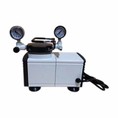
Both of these glass solvent filters are designed to be used with a vacuum filtration system, which provides a fast and efficient way to filter organic solvents. The vacuum filtration system creates a pressure differential that forces the solvent through the filter, leaving the contaminants behind.
Conclusion
In conclusion, glass solvent filters can be used for filtering organic solvents in many applications. The chemical resistance, high purity, transparency, reusability, and versatility of glass make it an ideal choice for filtering a wide range of organic solvents. However, it is important to carefully select the appropriate glass solvent filter based on the specific organic solvent being filtered, taking into account factors such as temperature, pressure, filter pore size, and solvent compatibility.
If you are in need of a glass solvent filter for filtering organic solvents, we invite you to contact us to discuss your specific requirements. Our team of experts can help you select the right filter for your application and provide you with all the information and support you need. We are committed to providing high-quality products and excellent customer service, and we look forward to working with you.
References
- "Borosilicate Glass: Properties and Applications." Corning Incorporated.
- "Organic Solvents: Properties and Uses." Sigma-Aldrich.
- "Filtration Techniques in the Laboratory." Fisher Scientific.