


Hey there! As a supplier of vacuum filtration systems, I often get asked about safety precautions when using these systems. It's super important to know this stuff to keep yourself safe and make sure the system works well. So, let's dive into it.
First off, let's talk about some general safety tips. Before you even start using the vacuum filtration system, make sure you've read the user manual from cover to cover. I know it might seem like a drag, but it's packed with crucial info about the specific model you've got. Whether you're using the Glass Six Branches Vacuum Filtration System, the Stainless Steel One Branch Vacuum Filtration System, or the Stainless Steel Three Branches Vacuum Filtration System, each has its own set of guidelines.
One of the most basic things is to work in a well - ventilated area. Vacuum filtration often involves handling chemicals, and some of them can release fumes that are not so great for your health. If you're filtering solvents or other volatile substances, the fumes can build up in an enclosed space. So, open those windows or use a fume hood. Trust me, your lungs will thank you.
Now, let's look at the physical setup. When you're setting up the vacuum filtration system, make sure all the connections are tight. Loose connections can lead to leaks, which not only waste your sample but can also be a safety hazard. For example, if you're working with a corrosive liquid and it leaks out, it can damage your workbench or even cause skin burns if it comes into contact with you. Check the hoses for any signs of wear and tear. Old hoses can burst under vacuum pressure, and that's definitely not something you want to happen.
Another important thing is to use the right kind of filter paper or membrane. Using the wrong one can lead to clogging or poor filtration efficiency. It can also cause the system to work harder than it should, which might put extra stress on the components. Always follow the manufacturer's recommendations for the type of filter media to use based on the size of the particles you're trying to filter and the nature of the liquid.
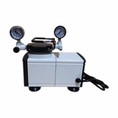
When it comes to the vacuum source, be careful. If you're using a vacuum pump, make sure it's properly grounded. Electrical shocks are no joke, and a grounded pump reduces the risk of that happening. Also, don't overload the pump. If you try to pull too much vacuum or use it for a task it's not designed for, you can damage the pump and potentially cause an electrical fire.
Let's talk about handling the filtrate and the residue. After the filtration is done, you need to dispose of the filtrate and the residue properly. If it's a hazardous chemical, follow the local regulations for chemical waste disposal. Don't just pour it down the drain. Some chemicals can react with the plumbing or contaminate the water supply. And always wear appropriate personal protective equipment (PPE) when handling these substances. Gloves, goggles, and a lab coat are a must.
When you're cleaning the vacuum filtration system, turn it off and unplug it first. This might seem obvious, but you'd be surprised how many accidents happen because people forget this simple step. Use the right cleaning agents. Some materials used in the system might be sensitive to certain chemicals. For example, glass components can be damaged by abrasive cleaners. So, stick to the cleaning instructions provided in the manual.
Now, let's get into some specific safety precautions for different types of vacuum filtration systems.
Glass Six Branches Vacuum Filtration System
This system is great because it allows you to filter multiple samples at once. But glass is fragile, so be extra careful when handling it. When you're assembling the system, don't apply too much force. If you crack the glass, not only will you have to replace the part, but you also risk getting cut by the broken glass. When you're removing the filtrate from the glass collection flask, do it slowly and steadily. A sudden movement can cause the glass to tip over and break.


Stainless Steel One Branch Vacuum Filtration System
Stainless steel is more durable than glass, but it's still important to take care of it. The metal can rust if it comes into contact with certain chemicals for a long time. So, after each use, make sure you clean it thoroughly and dry it properly. Also, the metal parts can get hot during operation, especially if the system has been running for a while. Use heat - resistant gloves when handling the hot components.
Stainless Steel Three Branches Vacuum Filtration System
Similar to the one - branch system, the three - branch stainless steel system also requires proper maintenance. Check the valves regularly. A faulty valve can cause uneven vacuum distribution among the branches, which can affect the filtration results. And just like with the other systems, always follow the safety guidelines for working with chemicals and the vacuum source.
In conclusion, using a vacuum filtration system can be a breeze if you follow these safety precautions. It not only protects you from potential hazards but also ensures that your system lasts longer and performs at its best.
If you're in the market for a new vacuum filtration system or have any questions about the ones we offer, don't hesitate to reach out. We're here to help you find the right system for your needs and make sure you know how to use it safely.
References
- General laboratory safety guidelines from various scientific institutions
- Manufacturer's manuals for vacuum filtration systems