


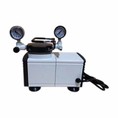
Are there any regulations regarding the use of glass solvent filters in certain industries?
As a supplier of glass solvent filters, I often encounter questions from customers about the regulations surrounding the use of these products in different industries. In this blog post, I will explore the regulatory landscape for glass solvent filters and discuss how these regulations impact various sectors.
Understanding Glass Solvent Filters
Glass solvent filters are essential tools in many laboratory and industrial processes. They are used to separate solids from liquids or gases, ensuring the purity of solvents and other substances. These filters are typically made of high - quality glass, which offers excellent chemical resistance and durability. Our company offers a range of glass solvent filters, including the 300ml Glass Solvent Filter and the 500ml Glass Solvent Filter, which are designed to meet the diverse needs of our customers.
Regulatory Bodies and Their Influence
There are several regulatory bodies around the world that set standards and guidelines for the use of glass solvent filters in different industries. These regulations are in place to ensure the safety of workers, the quality of products, and the protection of the environment.
Food and Beverage Industry
In the food and beverage industry, the use of glass solvent filters is regulated by agencies such as the Food and Drug Administration (FDA) in the United States and the European Food Safety Authority (EFSA) in Europe. These agencies have strict requirements regarding the materials used in filters to ensure that they do not contaminate food products. Glass is generally considered a safe material for food contact, but it must meet specific purity and quality standards. For example, the glass used in filters must be free from heavy metals and other harmful substances that could leach into the food or beverage.


Manufacturers in this industry are also required to follow Good Manufacturing Practices (GMPs), which include proper cleaning and maintenance of glass solvent filters. Regular inspections and testing are necessary to ensure that the filters are functioning correctly and not introducing any contaminants into the production process.
Pharmaceutical Industry
The pharmaceutical industry is one of the most highly regulated sectors when it comes to the use of glass solvent filters. Regulatory bodies such as the US Pharmacopeia (USP), the European Pharmacopoeia (Ph. Eur.), and the International Council for Harmonisation of Technical Requirements for Pharmaceuticals for Human Use (ICH) set strict standards for the quality and performance of filters used in pharmaceutical manufacturing.
Filters in this industry must be able to remove particles, microorganisms, and other impurities from solvents and drug formulations. They must also be validated to ensure that they meet the required levels of filtration efficiency. For example, a filter used in the production of injectable drugs must be able to remove particles as small as 0.22 microns to prevent the introduction of contaminants into the bloodstream.
In addition, pharmaceutical companies are required to maintain detailed records of filter usage, including installation dates, replacement schedules, and performance testing results. This documentation is crucial for regulatory compliance and quality control.
Environmental and Waste Management
In the environmental and waste management industry, the use of glass solvent filters is regulated to prevent the release of harmful substances into the environment. Filters are used to treat industrial wastewater, remove pollutants from air emissions, and separate hazardous materials from waste streams.
Regulatory agencies such as the Environmental Protection Agency (EPA) in the United States and the European Environment Agency (EEA) set limits on the types and amounts of contaminants that can be released into the environment. Glass solvent filters must be designed and operated to meet these standards. For example, filters used in wastewater treatment plants must be able to remove heavy metals, organic compounds, and other pollutants to ensure that the treated water meets the required quality standards before being discharged into water bodies.
Impact of Regulations on the Glass Solvent Filter Market
The regulations in different industries have a significant impact on the glass solvent filter market. Manufacturers are required to invest in research and development to ensure that their products meet the latest regulatory requirements. This often involves using advanced materials and manufacturing processes to improve the performance and safety of filters.
For example, in response to the strict regulations in the pharmaceutical industry, filter manufacturers have developed new types of glass filters with enhanced filtration efficiency and chemical resistance. These filters are designed to meet the specific needs of pharmaceutical production, such as the removal of microorganisms and the prevention of product contamination.
On the other hand, regulations also create opportunities for suppliers. Companies that can demonstrate compliance with regulatory standards and offer high - quality glass solvent filters are more likely to win contracts in regulated industries. This has led to increased competition among filter suppliers, driving innovation and improving the overall quality of products in the market.
Navigating the Regulatory Landscape
As a supplier of glass solvent filters, we understand the challenges that our customers face in navigating the complex regulatory landscape. That's why we work closely with regulatory experts and stay up - to - date with the latest industry standards and guidelines. We ensure that all our products, including the 300ml Glass Solvent Filter and the 500ml Glass Solvent Filter, are designed and manufactured to meet the highest regulatory requirements.
We also provide our customers with comprehensive technical support and documentation to help them demonstrate compliance with regulations. This includes certificates of conformity, material safety data sheets (MSDS), and validation reports.
Contact Us for Your Glass Solvent Filter Needs
If you are in need of high - quality glass solvent filters that meet the strictest regulatory standards, we invite you to contact us. Our team of experts is ready to assist you in selecting the right filter for your specific application and ensuring that you are fully compliant with all relevant regulations. Whether you are in the food and beverage, pharmaceutical, or environmental industry, we have the products and knowledge to meet your needs.
References
- Food and Drug Administration (FDA). "Food Contact Substances Notification Program." Available from the official FDA website.
- European Food Safety Authority (EFSA). "Guidelines for the Safety Assessment of Food Contact Materials." EFSA Publications.
- United States Pharmacopeia (USP). "General Chapters on Filtration in Pharmaceutical Manufacturing." USP-NF.
- European Pharmacopoeia (Ph. Eur.). "General Monographs on Filters and Filtration Processes." Ph. Eur. Editions.
- Environmental Protection Agency (EPA). "Regulations for Industrial Wastewater Treatment and Air Emissions." EPA Regulations.
- European Environment Agency (EEA). "Environmental Quality Standards for Water and Air." EEA Reports.