


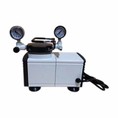
As a supplier of vacuum filtration systems, I often encounter inquiries from customers about the regulations surrounding the use of these systems. In this blog post, I will delve into the various regulations that govern the use of vacuum filtration systems, providing you with a comprehensive understanding of what to consider when operating these essential pieces of equipment.
Regulatory Framework for Vacuum Filtration Systems
Vacuum filtration systems are used in a wide range of industries, including pharmaceuticals, biotechnology, food and beverage, and environmental monitoring. As such, they are subject to a variety of regulations and standards that ensure their safe and effective operation. These regulations can vary depending on the specific application and the region in which the system is being used.
Safety Regulations
One of the primary concerns when using a vacuum filtration system is safety. These systems typically involve the use of vacuum pumps, which can generate high levels of suction and potentially cause harm if not used correctly. To mitigate these risks, there are several safety regulations that must be followed.
- Electrical Safety: Vacuum pumps are electrical devices, and as such, they must comply with electrical safety standards. This includes proper grounding, insulation, and protection against electrical shocks. Operators should be trained on how to safely handle electrical equipment and should follow all manufacturer's instructions.
- Pressure and Vacuum Limits: Vacuum filtration systems are designed to operate within specific pressure and vacuum limits. Exceeding these limits can cause damage to the system and pose a safety risk. Operators should be aware of these limits and ensure that the system is operated within the specified parameters.
- Personal Protective Equipment (PPE): When operating a vacuum filtration system, operators should wear appropriate PPE, such as safety glasses, gloves, and lab coats. This helps to protect them from potential hazards, such as chemical splashes and flying debris.
Environmental Regulations
In addition to safety regulations, vacuum filtration systems may also be subject to environmental regulations. These regulations are designed to protect the environment and ensure that the system does not release harmful pollutants into the air or water.
- Emission Control: Some vacuum filtration systems may generate emissions, such as volatile organic compounds (VOCs) or particulate matter. Depending on the type and quantity of emissions, these systems may be required to comply with emission control regulations. This may involve the use of emission control devices, such as filters or scrubbers, to reduce the release of pollutants.
- Waste Disposal: Vacuum filtration systems often generate waste, such as filter cartridges and spent filtrate. Proper waste disposal is essential to prevent environmental contamination. Operators should follow all local, state, and federal regulations regarding waste disposal and ensure that waste is disposed of in a safe and environmentally friendly manner.
Industry-Specific Regulations
Certain industries may have additional regulations that apply to the use of vacuum filtration systems. For example, the pharmaceutical and biotechnology industries are subject to strict regulations regarding product quality and safety.
- Good Manufacturing Practices (GMP): In the pharmaceutical and biotechnology industries, vacuum filtration systems must comply with GMP regulations. These regulations ensure that products are manufactured in a consistent and controlled manner, and that they meet the required quality standards. This may involve the use of validated filtration processes, regular equipment maintenance, and documentation of all manufacturing activities.
- Food Safety Regulations: In the food and beverage industry, vacuum filtration systems must comply with food safety regulations. These regulations are designed to prevent the contamination of food products and ensure that they are safe for consumption. This may involve the use of food-grade materials, proper cleaning and sanitization procedures, and compliance with Hazard Analysis and Critical Control Points (HACCP) principles.
Best Practices for Using a Vacuum Filtration System
In addition to complying with regulations, there are several best practices that operators should follow when using a vacuum filtration system. These practices can help to ensure the safe and efficient operation of the system and extend its lifespan.


- Regular Maintenance: Vacuum filtration systems should be regularly maintained to ensure that they are operating at peak performance. This includes cleaning and replacing filters, checking for leaks, and lubricating moving parts. Operators should follow the manufacturer's recommended maintenance schedule and keep detailed records of all maintenance activities.
- Proper Installation: Vacuum filtration systems should be installed by a qualified professional to ensure that they are installed correctly and safely. This includes proper positioning of the system, connection to the vacuum source, and installation of any necessary accessories.
- Training and Education: Operators should receive proper training and education on how to use the vacuum filtration system safely and effectively. This includes training on system operation, maintenance, and troubleshooting. Operators should also be aware of the potential hazards associated with the system and how to mitigate these risks.
Our Vacuum Filtration Systems
At our company, we offer a wide range of vacuum filtration systems to meet the needs of various industries. Our systems are designed to be safe, reliable, and easy to use, and they comply with all relevant regulations and standards.
- Stainless Steel One Branch Vacuum Filtration System: This system is ideal for small-scale applications and features a single filtration branch. It is made of high-quality stainless steel, which provides excellent corrosion resistance and durability.
- Stainless Steel Three Branches Vacuum Filtration System: This system is suitable for medium-scale applications and features three filtration branches. It offers increased filtration capacity and efficiency, making it a popular choice for many laboratories and industries.
- Stainless Steel Six Branches Vacuum Filtration System: This system is designed for large-scale applications and features six filtration branches. It provides high-volume filtration and is ideal for industrial processes and research facilities.
Contact Us for Procurement and Consultation
If you are interested in learning more about our vacuum filtration systems or have any questions about the regulations surrounding their use, please do not hesitate to contact us. Our team of experts is available to provide you with detailed information, answer your questions, and assist you in selecting the right system for your specific needs. We look forward to working with you and helping you achieve your filtration goals.
References
- ASTM International. (Year). Standard Practice for [Specific Standard Related to Vacuum Filtration]. ASTM [Standard Number].
- Occupational Safety and Health Administration (OSHA). (Year). [Relevant OSHA Standard for Electrical or General Workplace Safety]. 29 CFR [Section Number].
- Environmental Protection Agency (EPA). (Year). [Emission or Waste - related Regulation]. 40 CFR [Section Number].
- Good Manufacturing Practice (GMP) Guidelines for the Pharmaceutical Industry. (Year). [Country - specific GMP Organization].